Re-engagement vs winback campaign: at-risk vs already lapsed
Re-engagement vs winback, 30/60/90 windows, path handoff, Iran email+SMS vignette, and Leadara events/segments/journeys mapping.

Sara Moradi
Designs customer journeys and marketing automation campaigns for retention and lower churn.
September 14, 2026 · 8 min read
Also available in فارسی
What is the difference between a re-engagement campaign and a winback campaign?
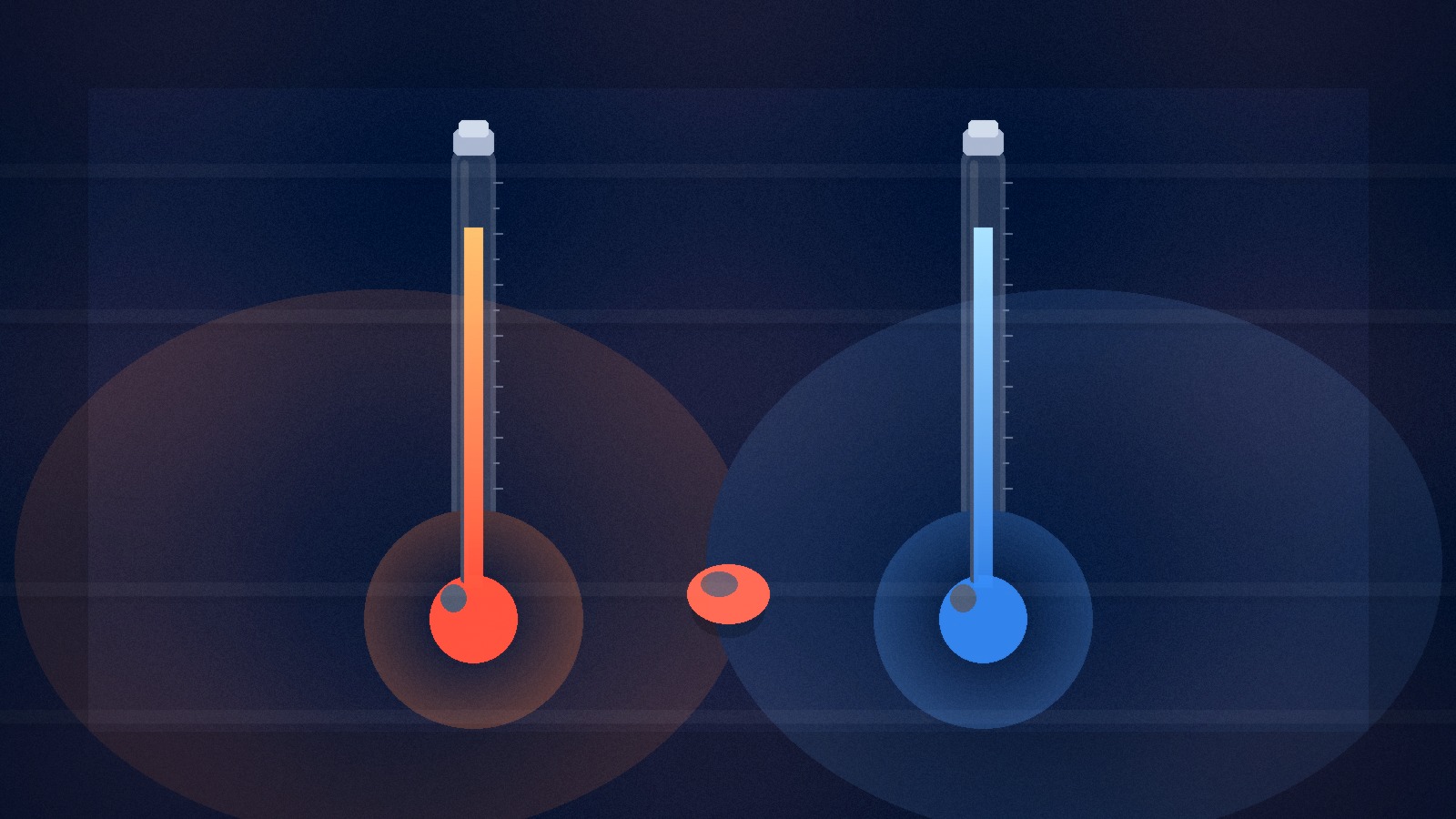
Re-engagement targets at-risk / cooling customers: they still open sometimes, browse, or build carts, but purchase cadence has stretched and signals are fading. Winback targets already lapsed / cold customers: meaningful purchase and engagement stopped long enough that they left the active lifecycle.
One-line answer for eCRM teams: re-engagement = still somewhat warm but cooling; winback = already cold and gone. Treat 30 / 60 / 90-day windows as starting points to calibrate on your own repurchase gap — not gospel copied from a foreign brand.
If you still blast every “quiet” contact with one nostalgia discount, ask before you scale: do you separate last purchase, last email engagement, and SMS consent? Without that, winback is just expensive spam.
See where both sit on the broader map in What is lifecycle marketing. For cutting audience by recency and value, RFM segmentation is the practical base for this split.
How does re-engagement work? How does winback work?
Re-engagement (at-risk / cooling)
Goal: restore browse or buy habit before the relationship fully breaks. Typical triggers:
- Last
order_completedroughly 30–60 days ago - Falling email opens or clicks over recent weeks
- Browse or cart without purchase, but still a living signal
Tone: value, favorite category, soft help — not “come back or else.” Channel: email for depth; SMS sparingly with separate consent.
Winback (lapsed / cold)
Goal: one bounded chance to return someone who is no longer in active segments. Triggers:
- Last purchase or meaningful engagement older than your lapsed threshold (e.g. 90+ days)
- Exit from active / At Risk segments without conversion
- No response to a prior re-engagement path
Tone: clear, short, specific offer, hard repeat cap. If they ignore it, close the path — do not burn the list.
Comparison table: audience, timing, message, exits
| Dimension | Re-engagement | Winback |
|---|---|---|
| Audience state | At-risk; still somewhat active | Already lapsed; cold |
| Common window | ~30–60 days after last strong purchase/engagement | ~60–90+ days, or after At Risk path fails |
| Message job | Keep the habit warm; shorten purchase gap | One limited chance to return |
| Offer intensity | Usually softer (content, category, limited free shipping) | Sometimes stronger, with caps and holdout |
| Channel | Email-led; SMS rare and targeted | Email + at most 1–2 consented SMS |
| Critical exit | Purchase, or return to active segment | Purchase, or path expiry with no response |
| Main risk | Pressuring a still semi-active shopper too hard | STOP and list burn from wide blasts |
| Handoff | If still cold after At Risk → enter winback | If they buy again → exit and re-enter active lifecycle |
Simple rule: if you still see cooling signals, it is re-engagement. If signals are dead and the lapsed threshold is crossed, it is winback.
Iran example: small home-goods shop on email + SMS
“Ava” runs an online kitchenware store in Tehran. Median repurchase gap is about 45 days. The team used to send a monthly SMS “we miss you” to everyone who had not bought in 60 days — high STOP, high cost, weak return.
Diagnosis
| Problem | Effect |
|---|---|
| One vague “quiet” segment | At Risk and Lost mixed |
| Monthly SMS blast | Cost and STOP; no purchase exit |
| No handoff | People who ignored At Risk email get the same pitch again |
| No RFM | Low- and high-value customers get the same discount |
Practical fix (email + SMS)
- At Risk segment: last purchase 31–60 days + at least one email open in 90 days + channel consent.
- Re-engagement journey (3 touches): day 0 favorite-category email → day 3 help/compare email → day 7 short SMS only if SMS consent and still no purchase → exit on
order_completed. - Lost / winback segment: last purchase 91+ days, or finished At Risk journey with no purchase + no engagement in 30 days.
- Winback journey (2 compact touches): limited 7-day offer email → optional expiry-reminder SMS → if no response, suppress promo for 90 days.
- Caps: max 2 promo SMS in 14 days; suppress Friday blasts for anyone inside these journeys.
Judge success by return-to-purchase rate, STOP, and SMS cost per return — not by “successful sends.”
When does one flow hand off to the other?
A clean handoff means nobody lives in both paths at once:
| State | Action |
|---|---|
| Entered At Risk | Re-engagement journey only |
| Purchased | Immediate exit; back to active |
| At Risk path ended with no purchase | After 2–7 quiet days, enter winback if day threshold is met |
| Purchased inside winback | Exit; suppress winback; optional short welcome-back |
| Winback ended with no response | Leave automated promo; transactional / consent-only only |
Common failure: running “we miss you” and “50% last chance” to the same person in 48 hours. Priority table and suppressions beat luck.
For the broader behavioral path vs timed-shot frame, see Journey vs campaign.
Leadara mapping: events, segments, journeys, email/SMS
Leadara runs on events, segments, journeys, email, and SMS. You do not need a branded “winback engine” name — compose the logic with those blocks:
- Events: at least
order_completed, preferably email open/click,cart_updatedorview_itemif you have them, plus a separate SMS consent flag. - At Risk segment: purchase-recency band (e.g. 31–60) + cooling engagement filter + consent.
- Lost segment: recency 91+ or “exited At Risk journey without purchase.”
- Two separate journeys with waits, email/SMS branches, purchase exits, and mutual suppressions.
- Channel frequency caps and suppress calendar blasts for members of these paths.
- On discounted winback, keep a 10–20% holdout so you see real lift.
Keep segment names consistent in the team (At Risk / Lost) so the next operator does not break the path. Dig deeper on RFM cuts in What is RFM segmentation — here we only use it to define day windows.
Common mistakes
- Dumping all non-buyers into one winback blast
- Starting winback on someone who opened a cart last week (still At Risk)
- Deep discount on the first re-engagement touch
- SMS without separate consent or STOP language
- No exit on
order_completed(messages continue after purchase) - Running both paths at once without suppress
- Blindly copying 30/60/90 without looking at your category repurchase gap
Checklist for this month
- Written At Risk and Lost thresholds from your median repurchase gap
- Two separate segments + headcount sanity check
- One re-engagement journey with purchase exit and SMS cap
- One short winback journey with expiry and holdout
- Handoff table and blast suppressions
- Weekly dashboard: return-to-purchase, STOP, SMS cost, path overlap
Related reading
- What is lifecycle marketing — where At Risk and Lost sit on the map
- What is RFM segmentation — recency, frequency, monetary cuts
- Journey vs campaign in marketing automation — behavioral path vs timed shot
FAQ
What is the difference between a re-engagement campaign and a winback campaign?
Re-engagement is for at-risk customers who are still somewhat active; winback is for already lapsed, cold customers. Timing, offer intensity, and repeat caps differ.
Are 30 / 60 / 90-day windows mandatory?
No; they are common industry starting points. Calibrate to your category’s median repurchase gap. Consumables and home appliances are not the same.
What if someone opens a cart during At Risk?
Prioritize a short cart-recovery path; suppress soft re-engagement the same day so tones do not collide.
Should we replace winback with a monthly blast?
Usually not. Wide blasts to Lost create STOP. A short journey on a narrow consented segment with exits is safer; keep blasts for narrow launches.
How many touches per path?
Re-engagement often 2–4 touches over 1–2 weeks; winback 2–3 compact touches with a clear expiry. More is not better.
Does Leadara have a named winback feature?
You build the logic with events, segments, journeys, and email/SMS. You do not need to wait for a separate product name.
When should SMS enter winback?
Only with SMS consent, after or alongside a valuable email, with a hard cap and STOP copy. A cold first-touch SMS to Lost usually burns the list.
Which metrics show handoff is working?
At Risk conversion, Lost conversion, STOP, share of people messaged by both paths in 24–48h (should be near zero), and return to active segment after purchase.
Bottom line and next step
Re-engagement saves a cooling habit; winback is one bounded chance for the already lapsed. This month, write your day thresholds, ship two segments and two journeys with purchase exits, lock handoff and suppressions, and judge success by return-to-purchase and STOP — not by louder “we miss you” blasts.