Journey vs campaign in marketing automation: what’s the difference?
Clear difference between journeys and campaigns, when to use each, and abandoned-cart vs blast examples.

Sara Moradi
Designs customer journeys and marketing automation campaigns for retention and lower churn.
September 6, 2026 · 1 min read
Also available in فارسی
Direct answer
A campaign is usually a scheduled send to an audience (weekend sale blast).
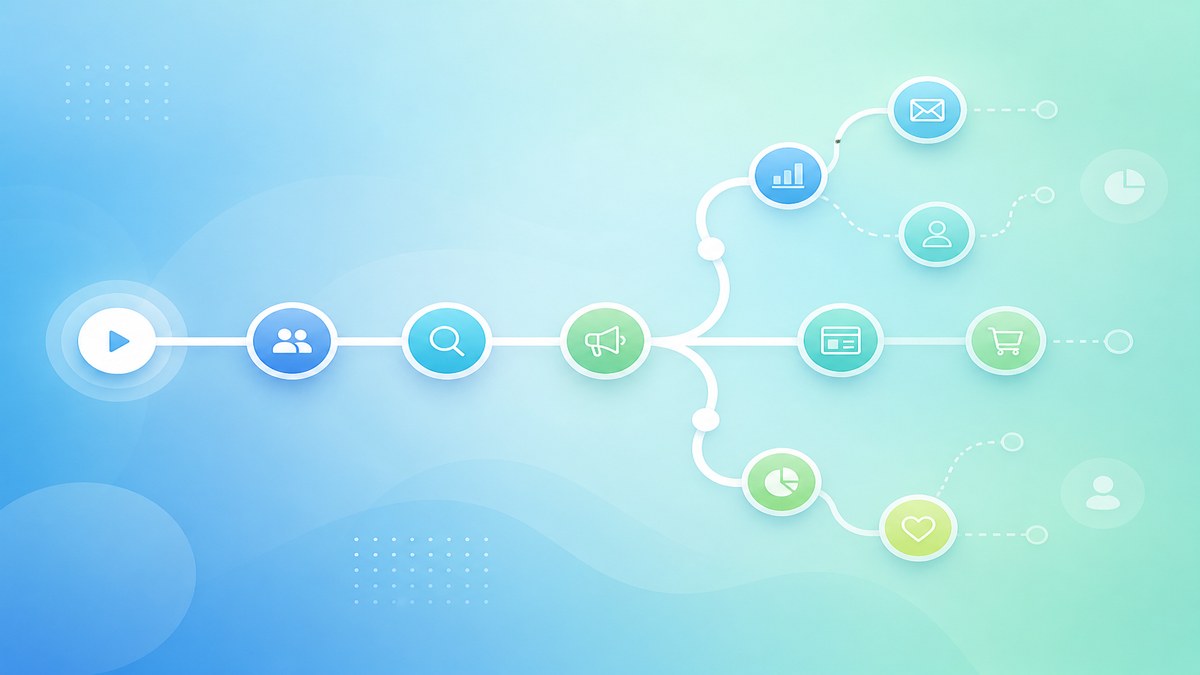
A journey is a multi-step path driven by behavior: wait, message, exit on purchase, otherwise continue.
“What do we say to this list today?” → campaign.
“When they do X, what happens next?” → journey.
Comparison
| Campaign | Journey | |
|---|---|---|
| Trigger | Time / manual | Event or segment entry |
| Length | Often one-shot | Steps with waits/branches |
| Exit | Send finishes | Behavior rule (e.g. purchase) |
| Example | Weekly newsletter | Abandoned cart, welcome |
Concrete example
Campaign: Thursday SMS to active customers about a weekend sale.
Journey: cart abandoned → email after a few hours → SMS if still inactive → stop on purchase.
When a campaign is enough
One-off announcements, calendar promos, or when behavioral events are not reliable yet.
When you need a journey
Abandoned cart/checkout, activation after signup, win-back, any flow where “stop after conversion” matters.
In Leadara
Leadara includes a visual journey builder (waits, wait-for-event, branches, run history) and campaign-style sends on email/SMS/web push. Use journeys for behavioral scenarios; campaigns for timed promos.
FAQ
A customer journey is strategy; a journey in software is an executable slice. Start with a small journey if you have cart/purchase events; otherwise a clean campaign while you wire events.
Bottom line
Campaign = timed shot. Journey = reaction path. Mature automation uses both in the right place.