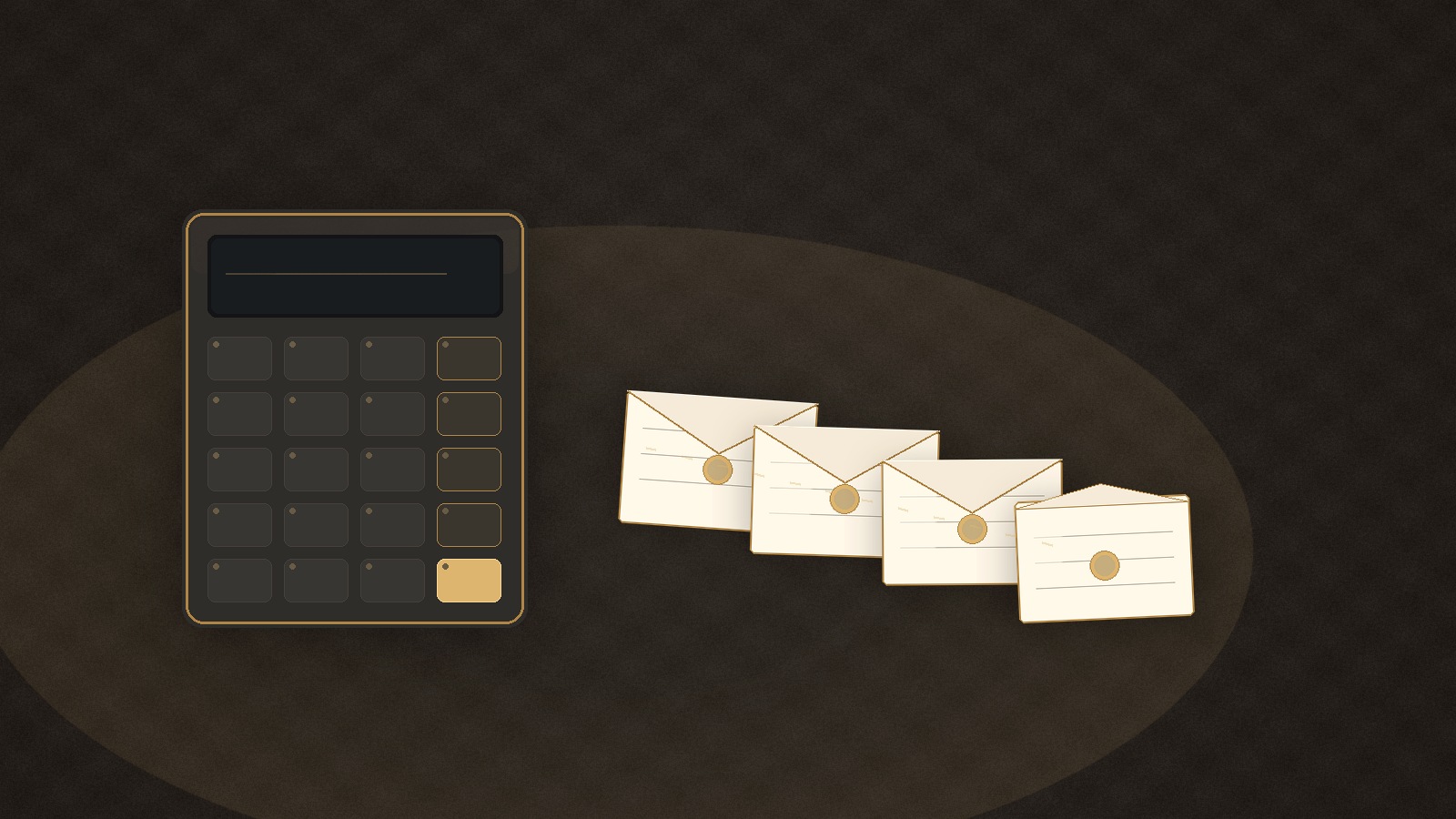
CRM vs marketing automation: differences and when you need both
One-line definitions, a side-by-side table, nurture→sales handoff, Iranian examples, and honest Leadara mapping to events and journeys.

Niloofar Karimi
Product positioning, messaging, and content for product growth—aligned with product and sales.
September 8, 2026 · 8 min read
Also available in فارسی
What is CRM and what is marketing automation?
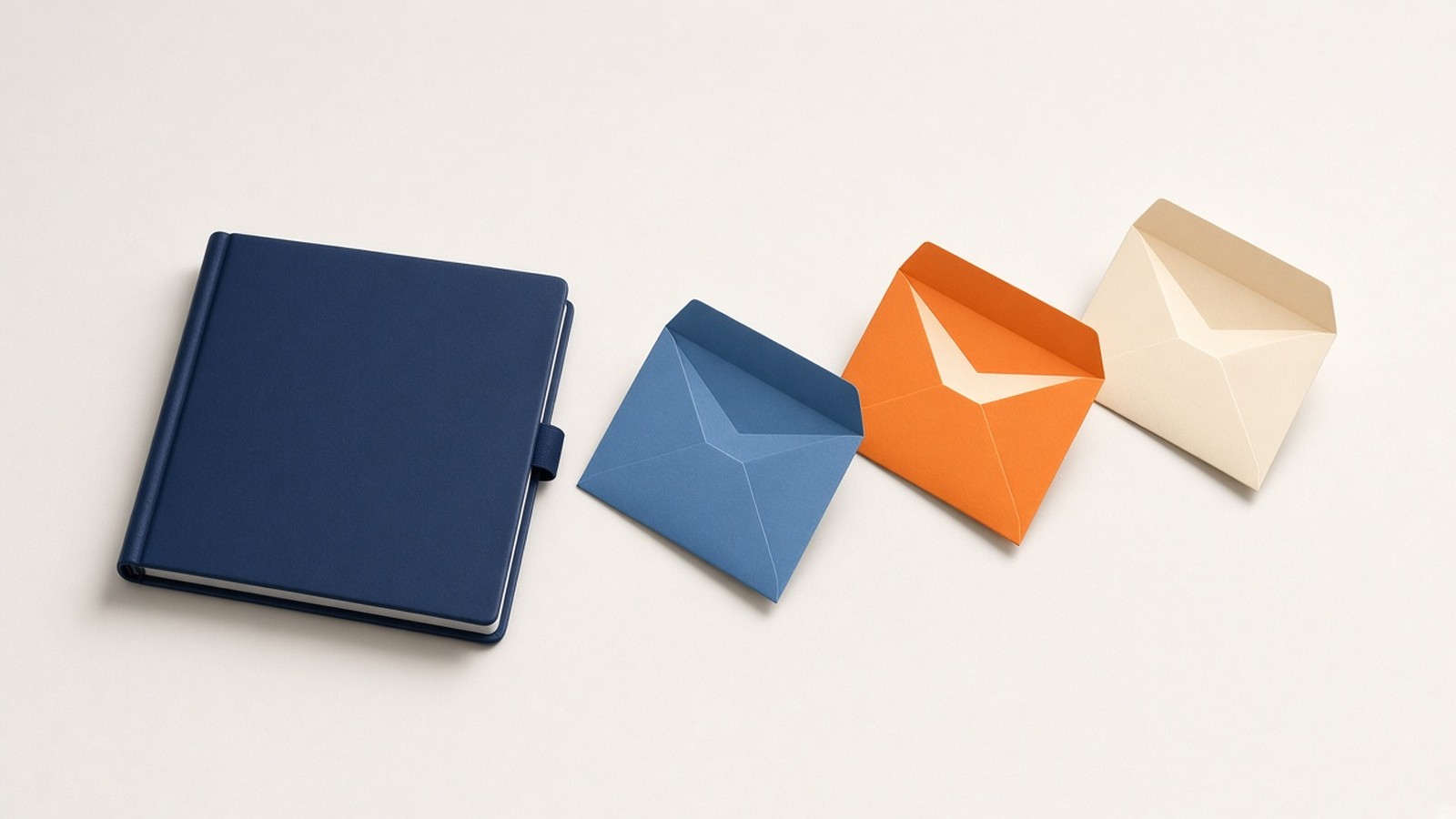
CRM (Customer Relationship Management) is the system of record for customer relationships: profiles, call and deal history, opportunity stage, support tickets, and sales/service notes. It centers on people and the file — who the customer is, where they sit in the sales funnel, and what was last promised.
Marketing automation is software that orchestrates messages from behavior: you ingest events, build segments, run email/SMS journeys, and exit after conversion. It centers on timely messaging at scale — not on replacing a salesperson in a negotiation.
One-line answer: CRM is the memory and workbench for sales/service; marketing automation is the behavior-based nurture and retention engine. Most growth teams need both — one keeps the file; the other sends the right message at the right moment.
If you only have CRM and still blast a Friday SMS to everyone, automation is the missing layer. If you only have automation but sales cannot see where a lead came from or what was promised, the CRM (or at least a shared sales file) is empty. For a deeper automation definition, see: What is marketing automation?.
CRM vs marketing automation comparison table
| Dimension | CRM | Marketing automation |
|---|---|---|
| Core question | Who is this person/account and what is the relationship status? | What did they just do, and which message should go out? |
| Dominant inputs | Manual forms, calls, meetings, tickets, sales stages | Site/app events, opens/clicks, purchases, abandoned carts |
| Dominant outputs | Pipeline, sales activities, service reports | Email/SMS journeys, live segments, behavioral campaigns |
| Day-to-day owner | Sales and support | Marketing / lifecycle / eCRM |
| Success unit | Opportunity conversion, response time, account retention | Activation rate, cart recovery, At Risk return |
| Risk if used alone | Clean files, but slow manual nurture | Lots of automated messages without sales context |
Neither fully replaces the other. CRM without behavioral triggers makes follow-up depend on human memory. Automation without a sales file launches hot leads into the void.
When is CRM enough on its own?
CRM alone is reasonable when:
- Lead and customer volume is low enough for manual follow-up.
- The sales cycle is consultative and long (complex B2B) and each call matters more than bulk messaging.
- The primary relationship channel is phone/meetings, not behavioral email and SMS.
- You still lack stable site events; journeys on noisy data only create spam.
Iranian example: a small B2B agency with about 20 active opportunities a month — priority is logging promises and stages in CRM; a complex abandoned-cart journey is not the main problem.
When should marketing automation come first?
Automation usually pays back before a “full CRM” when:
- Signups and traffic are high and manual follow-up cannot keep up.
- You have repeating revenue behaviors: abandoned cart, onboarding, win-back.
- Email/SMS budget burns because you message “everyone.”
- The growth team wants live segments and exit rules — not stale CSV lists.
Iranian example: a fashion ecommerce brand with thousands of monthly signups and a Friday blast SMS. Before buying heavy enterprise CRM, one cart journey plus an At Risk segment often saves margin. Segment foundations: What is customer segmentation?.
When do you need both? (The handoff model)
For Iranian eCRM and growth teams, the healthy pattern is usually:
Marketing automation = nurture to readiness → CRM / sales = close and promise → Service in CRM = account care → Automation again = retention and win-back at scale.
Practical handoff flow
| Stage | Owner | Dominant tool | Handoff signal |
|---|---|---|---|
| Acquisition & welcome | Marketing | Welcome email/SMS journey | Signup + channel consent |
| Education / nurture | Marketing | Behavioral segment + content journey | Score or “sales-ready” event |
| Consultative selling | Sales | CRM (call, demo, proposal) | MQL→SQL with behavior context |
| Delivery & support | Service | CRM / tickets | Purchase or account activation |
| Retention & return | Marketing | Retention / win-back journeys | Activity drop, non-renewal |
Without this handoff you get two failures: sales receives cold leads because automation never defined “hot”; or marketing still sends “buy now” after a closed deal because CRM never returned the purchase signal.
If the eCRM vs classic CRM boundary is fuzzy, see the sibling guide: What is eCRM? eCRM vs CRM.
Worked scenario: Iranian home-appliance ecommerce
Imagine “Bright Home” gets about 3,200 monthly leads from landing pages and Instagram. A two-person sales team tracks follow-ups in a spreadsheet; marketing sends a Thursday discount SMS to the whole database.
Diagnosis
| Layer | Today | Problem |
|---|---|---|
| CRM | Incomplete spreadsheet; promises not logged | Duplicate and lost leads |
| Automation | Calendar blasts | Champions get the same discount; abandoned carts are ignored |
| Handoff | No rule | Sales gets leads who only liked a story |
Combined actions (no magic claims)
- Minimum sales file: name, mobile, source, stage, last contact — even if CRM is lightweight.
- Key events:
signed_up,cart_abandoned,order_completed,demo_requested(if you offer demos). - Segments: cart abandoned in 24h; signed up with no purchase in 7 days; demo requested with no call in 48h.
- Nurture journeys: cart reminders with purchase exits; short welcome with activation exits.
- Handoff to sales: only “demo requested” or “high score + pricing-page view” enter the CRM queue — not every email opener.
- Signal return: when CRM marks “won,” push purchase/closed events back so promos stop and post-purchase paths start.
Right metrics: cart recovery rate, MQL→real-call conversion, and fewer blast SMS — not only “rows in CRM.”
Mapping to Leadara (real product language only)
Leadara is a marketing automation platform; it is not a full enterprise sales CRM. Beside CRM it does this:
- Ingest events from site/store (
signed_up,cart_abandoned,order_completed, …). - Build live segments for nurture and suppression.
- Run email and SMS journeys with waits and exits after conversion.
- When a lead hits a sales threshold, hand them to a human/CRM queue — Leadara is not where you negotiate price.
Honest scope: multi-stage sales pipelines, complex quoting, or heavy support tickets belong in CRM; use Leadara for behavioral messaging before and after. We do not claim Leadara “replaces Salesforce/full CRM.”
Common mistakes that burn budget
- Buying heavy CRM before stable purchase and cart events exist
- Building 12 journeys before defining the sales handoff
- Sending every email opener as an MQL
- Treating CRM and automation as one vague “all-in-one” without clear owners
- Blasting SMS from a CRM list without behavioral segments and consent
- Never returning purchase/closed signals from sales to marketing
- Copying foreign definitions without fitting Iranian SMS channels and purchase cycles
Decision checklist for this month
- Write one sentence: is the pain “sales follow-up” or “behavioral messaging at scale”?
- If messaging pain: 2 events + 1 segment + 1 journey with an exit
- If sales pain: minimum file fields + stage rules + an owner
- Write one handoff rule (which signal = sales queue)
- Write one suppress rule after purchase / firm commitment
- Next week read only three metrics: journey conversion, lead quality for sales, opt-outs
FAQ
What is the difference between CRM and marketing automation in one sentence?
CRM manages the human sales/service relationship file; marketing automation sends messages automatically from behavior at scale.
Can a team run with only one of them?
For a very small team and low volume, sometimes yes. As soon as signups and repeating behaviors grow, you usually need both layers — even if CRM stays lightweight.
Should we buy CRM or marketing automation first?
Look at the bottleneck. If leads vanish in spreadsheets and sales calls without context, organize the file first. If blast SMS erodes margin and carts are abandoned, start with behavioral automation.
Is eCRM the same as marketing automation?
Not exactly. eCRM usually means managing relationships across digital channels; marketing automation is the executable stack of events→segments→journeys. Details: eCRM vs CRM.
How should lead handoff to sales work?
Use an explicit signal: demo request, threshold score, or a behavior mix (pricing page + download) — not every email open. Pass event context into CRM with the lead.
Is Leadara a CRM?
No. Leadara focuses on events, segments, journeys, email/SMS and builds the nurture/retention layer. Keep sales CRM separate and exchange signals between the systems.
What stack is enough for a small Instagram shop in Iran?
Minimum: a simple order/customer file plus one consented SMS journey for cart/order follow-up. Delay enterprise CRM until volume and a sales team justify it.
How do we know the combined setup works?
Conversion on revenue journeys, share of leads sales actually calls, time from MQL to first call, and fewer blasts without revenue drop.
Bottom line and next step
CRM and marketing automation are not rivals; they are the file and the behavioral message. Print the comparison table for your team, write one nurture→sales/service handoff rule, and this month wire only one revenue scenario to events, segments, and a journey. Suggested next step: make the “abandoned cart with no purchase” or “demo requested with no call” segment live — then decide which queue a human must see.