Intelligent Channel vs Send Time Optimization: which channel vs when to send
Intelligent Channel vs send time optimization (STO): consent → channel → time, comparison table, Iran SMS cost and quiet hours for eCRM teams.

Amir Hosseini
Runs email, SMS, and push campaigns for acquisition, retention, and reactivation.
September 12, 2026 · 8 min read
Also available in فارسی
What are Intelligent Channel and send time optimization?
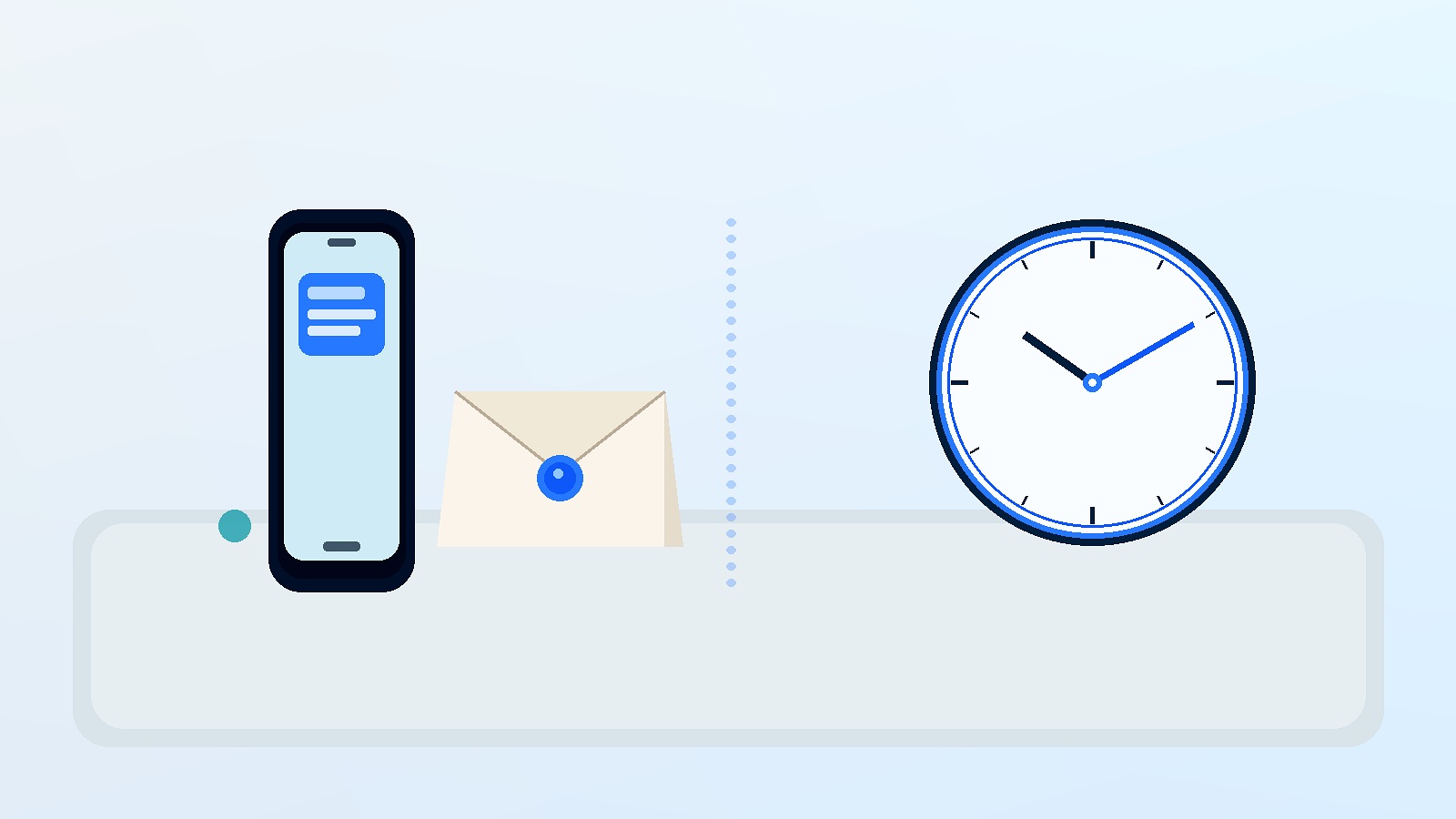
Intelligent Channel means the system (or your ops team) chooses which channel fits this person now — usually email vs SMS — from behavior and channel consent. Send time optimization (STO / Intelligent Timing) means the same message, on the same channel, at which hour is more likely to be seen and acted on.
One-line answer: pick the right channel with consent and cost first; then tune timing. A perfect hour on the wrong channel — or the right channel at a rude hour — both hurt.
In vendor education (for example Braze), Intelligent Channel and Intelligent Timing are separate concepts. This article explains them for eCRM teams — not as Leadara performance claims or copied case-study percentages. For the broader next-best-action frame, see: What is AI decisioning in marketing?.
What question does Intelligent Channel answer?
Channel choice asks: for this person now, is email better, SMS better — or silence?
Practical signals:
- Separate channel consent — email ≠ SMS; without SMS consent, SMS is not a candidate.
- Recent channel behavior — email opens/clicks, SMS STOP, or repeated non-response.
- Goal urgency — short cart nudge vs deeper offer explanation.
- Cost and caps — in Iran SMS cost and real frequency caps matter; email is cheaper but noisier.
- Quiet hours — nights and sensitive hours should usually stay off for SMS.
Without consent and caps, “smarter channeling” only relocates spam.
What question does send time optimization answer?
STO / Intelligent Timing asks: if channel and message are fixed, which time window is better?
Common industry patterns:
| Approach | Idea | Practical limit |
|---|---|---|
| Fixed segment hour | Everyone in a segment at one time | People inside the segment have different rhythms |
| Person-level historical best hour | From past open/click | Sparse data = noise; may not transfer across channels |
| Business window + jitter | Inside working hours with random spread | Simpler than a heavy model; good starting point |
| Hard quiet hours | Night SMS banned | Critical in Iran; reduces STOP |
Note: timing only makes sense on the same channel and goal. Do not copy a best email hour onto SMS.
Comparison table: channel choice vs send-time optimization
| Intelligent Channel (which channel) | Send Time Optimization (when) | |
|---|---|---|
| Core question | Email, SMS, or hold? | When should this message go out? |
| Key inputs | Consent, cost, urgency, STOP | Engagement history, timezone, quiet hours |
| Output | Dominant channel for this touch | Send time or window |
| Common failure | SMS for everyone because it feels “more urgent” | Late-night sends to chase opens |
| Dependency | Before timing; wrong channel makes timing meaningless | After channel and message are stable |
| Related metrics | Conversion per cost, STOP, overlap | Windowed open/CTR, conversion, complaints |
Correct operating order: consent → channel → time. Reversing that order usually burns SMS budget and trust.
Why does consent → channel → time matter in Iran?
Three local realities:
- SMS cost — every promotional SMS has a price; a wrong channel choice hits budget directly.
- Quiet hours and contact culture — midnight SMS drives STOP and complaints fast — even if a foreign model suggests 23:40 as a “best hour.”
- Separate consent and parallel paths — many shops run welcome email, cart, and Friday blasts together; without channel priority, STO only reshuffles noise.
For cart recovery channel trade-offs, see: Abandoned cart email vs SMS.
When should Intelligent Channel come first?
When the real problem is which touch, not the clock:
- SMS STOP is high but the team still defaults to SMS for urgency
- One person gets cart email and promo SMS inside 48 hours
- SMS consent is incomplete but SMS journeys are open to everyone
- The goal needs depth (education, comparison) but you only have short SMS
Write a channel-priority table first: email for depth, SMS only for short urgency with consent and a hard cap.
When should send time optimization come first?
When channel and copy are relatively fixed and visibility rhythm is the issue:
- Welcome email always goes at 09:00 while part of the list is more active in the evening
- A seasonal campaign is locked to one minute and floods the inbox
- Segments differ by region or shopping habit
Even then, lock quiet hours and caps before opening the send window — do not let a timing model bypass guardrails.
How do you approximate this with events, segments, and journeys?
Leadara runs on events, segments, journeys, email, and SMS. You do not need a branded “Intelligent Channel” feature to act:
- Store consent as events/attributes —
email_opted_in,sms_opted_in; open SMS branches only with consent. - Build channel-eligible segments — e.g. “open cart + SMS consent + no STOP” vs “open cart + email only.”
- Write a channel-priority table — welcome and deep content → email; short shortcut with a cap → SMS; otherwise hold.
- Put delays and send windows in journeys (e.g. 09:00–21:00) and keep SMS quiet hours strict.
- Add a conversion exit on
order_completedso the same goal does not repeat after purchase. - For heavy campaigns, spread sends with time segments or jitter so everyone does not land in one minute.
Keep automated paths vs one-shot campaigns clear: Journey vs campaign.
Worked scenario: online fashion shop
Imagine “Nora” sends a 1-hour cart email and a 3-hour cart SMS together; Friday promo SMS also goes at 22:00 to everyone because “night opens looked higher.”
Diagnosis
| Problem | Effect |
|---|---|
| SMS default without channel priority | High cost + STOP |
| Night promo timing | Complaints and consent loss |
| Cart + Friday overlap | Two SMS to one person in one night |
| Optimizing opens instead of conversion and cost | Bad decisions |
Practical actions (no invented feature)
- Priority: check SMS consent; if missing, email only.
- Cart: soft email first; SMS only if no purchase after X hours, consent exists, and time is inside 09:00–21:00.
- Friday: move 22:00 into a daytime window; suppress Champions and active cart profiles.
- 10% holdout on the cart SMS branch; compare 7-day conversion and STOP vs email-only.
- Judge success by conversion per SMS cost + STOP, not raw open rate.
Common mistakes that break channel and timing
- Pasting foreign case-study percentages as your shop’s facts
- Running STO before consent and channel caps
- One “best hour” for both email and SMS
- Skipping quiet hours for SMS
- Optimizing opens instead of uplift and cost
- Multiple channel journeys with no priority table
Checklist for this month
- Make email and SMS consent separately segmentable
- Write one channel-priority table for cart / welcome / promo
- Hard quiet hours for SMS (e.g. no sends outside 09:00–21:00)
- Weekly SMS caps and path-overlap suppressions
- Test a simple email send-window spread
- Small holdout on a channel or timing change; metrics: conversion, cost, STOP
FAQ
What is Intelligent Channel?
Choosing the right channel for each person on a given touch — usually email, SMS, or no send — from consent, behavior, and cost limits.
What is send time optimization?
Tuning the send time or window for the same message on the same channel to improve chances of being seen and acted on, inside business guardrails.
Which should we implement first: channel or time?
Channel (after consent). Perfect timing on the wrong channel only moves cost and annoyance around.
Is Braze Intelligent Channel a Leadara feature?
No. Those are industry education concepts. In Leadara you approximate the same goals with segments, journeys, consent, and send controls.
Do quiet hours matter for email too?
Email is usually more flexible; for SMS in Iran they are nearly mandatory because relationship cost and STOP are higher.
What if we lack historical open data?
Start with a business window + jitter and simple segment tests instead of a complex personal model; raise event and consent quality in parallel.
How do we know if the problem is channel or time?
If SMS STOP/cost and path overlap are high, fix channel first. If the channel is stable and only visibility rhythm is weak, then tune time.
What is the right success metric?
Incremental conversion, revenue per channel cost, and STOP/complaints — not raw opens without a control.
Related reading
- What is AI decisioning in marketing? Next-best-action explained
- Abandoned cart email vs SMS
- Journey vs campaign in marketing automation: what’s the difference?
Bottom line and next step
Intelligent Channel answers which channel; STO answers when. For Iranian teams the right order is consent, then channel, then time — with SMS cost and quiet hours at the center. This month, write the channel-priority table and banned SMS hours, cut cart/promo overlap, run a small channel or window test with a holdout, and judge by conversion and STOP — not by late-night opens.