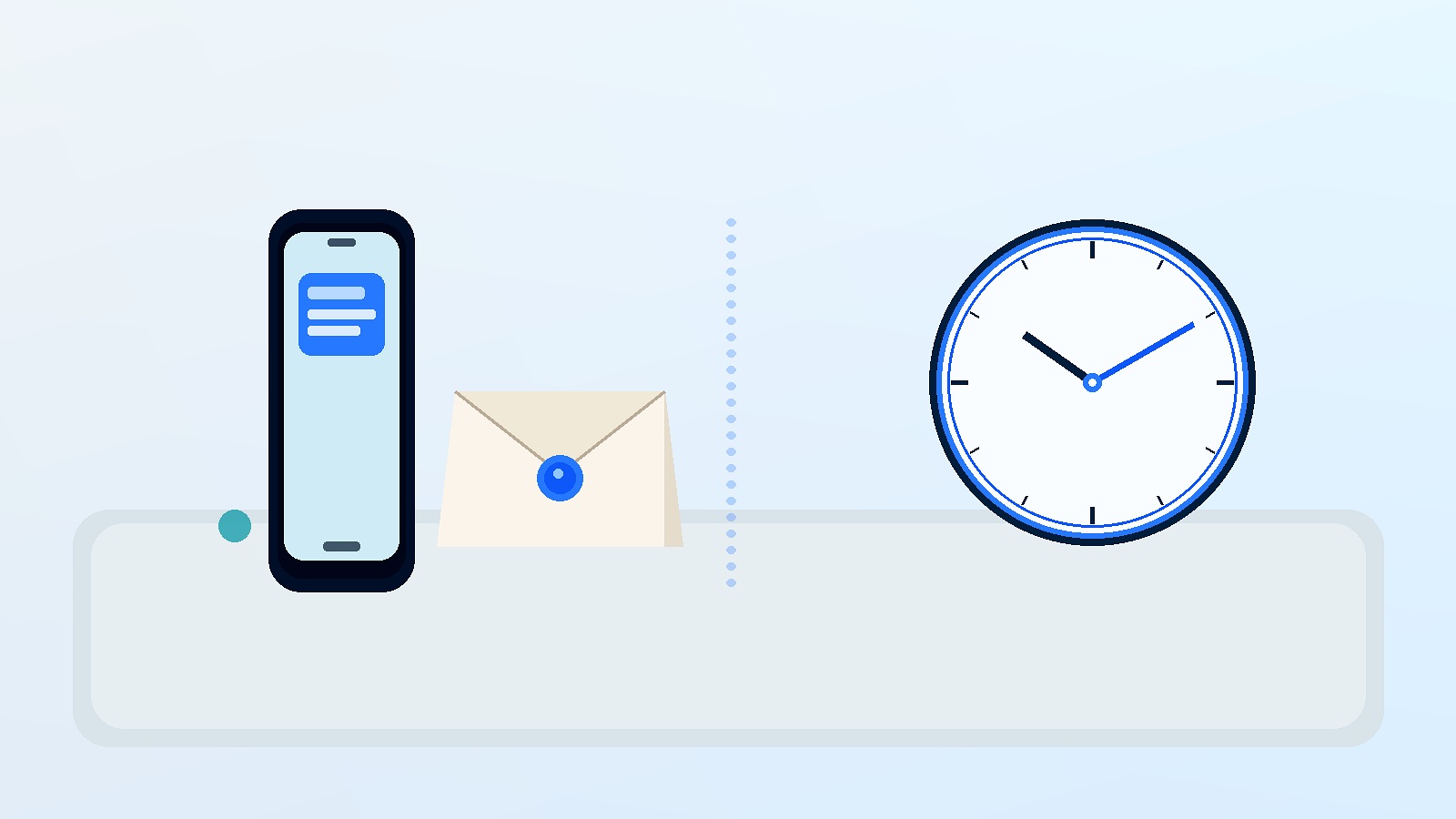
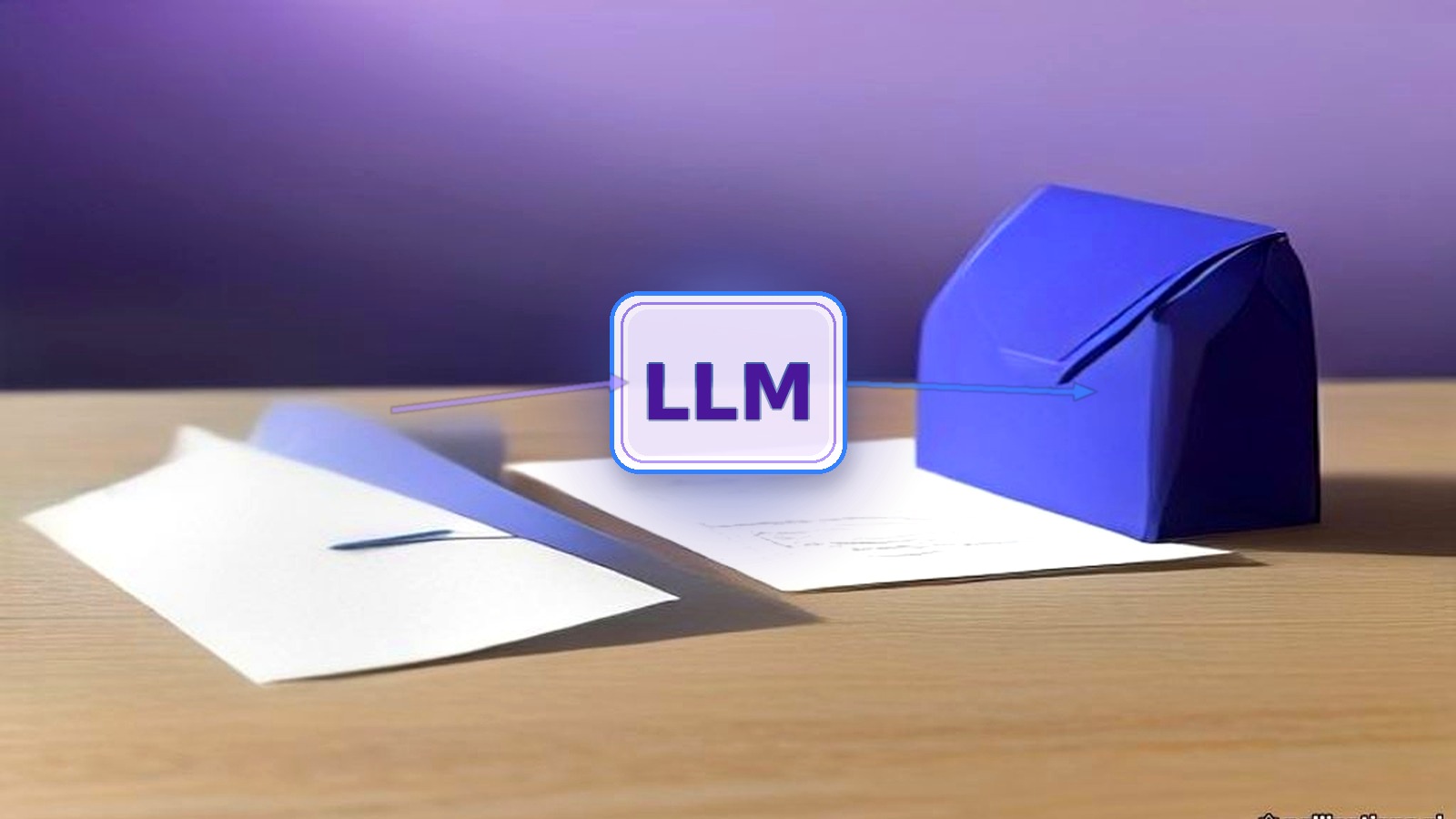
Journey orchestration vs journey mapping: planning diagram vs live automation
Journey orchestration vs journey mapping explained: workshop diagram vs live automation, comparison table, Leadara handoff, and FAQ.

Amir Hosseini
Runs email, SMS, and push campaigns for acquisition, retention, and reactivation.
September 11, 2026 · 7 min read
Also available in فارسی
Direct answer
Journey mapping is a planning diagram: the team workshops (often in Miro) how a customer moves from awareness to purchase and support, where friction lives, and which touches should land. The output is usually a slide, sticky-note board, or static flowchart.
Journey orchestration is live, adaptive automation of that path: when a real event fires, the system enrolls the person, waits, sends email or SMS, branches, and exits on purchase or when conditions fail. The wall map does not send messages; live profiles move.
One-liner: mapping = planning diagram; orchestration = automated, behavior-reactive execution. You need both — but they are not the same thing.
Do not confuse this with journey vs campaign: that article is timed blast vs behavior path. This one is workshop map vs live automation.
Operational definitions
What is journey mapping?
Customer journey mapping is a team alignment exercise: product, marketing, support (and sometimes sales) agree on a shared canvas — stages, channel touch ideas, pain points, owners, and assumptions not yet proven by data. It is strategy and clarity. Until it connects to events, segments, and journeys, it does not execute on user behavior.
What is journey orchestration?
Orchestration means coordinating executable touches in real time (or near it) from customer state: path entry, priority vs other paths, branching, send caps, and exits. For an Iranian eCRM team on a web marketing-automation stack like Leadara, that means event or segment triggers, wait / wait-for-event / branches, email and consented SMS templates, and exits on conversion.
Orchestration is not a magic brain disconnected from data; it is disciplined execution of the decisions the map proposed — with live signals.
Comparison table
| Journey mapping | Journey orchestration | |
|---|---|---|
| What it is | Planning diagram / workshop | Live path automation |
| Output | Canvas, slides, touch list | Running journey on profiles |
| Trigger | Meeting and team assumptions | Event / segment / behavior |
| Path change | Manual canvas updates | Automatic branches and exits |
| Channels in practice | Ideate any channel | In Leadara: email and SMS (+ web) |
| Success metric | Alignment and clearer pains | Conversion, uplift, STOP, overlap |
| Common failure | Pretty map, no execution | Journeys with no priority map |
When Iranian teams need mapping
Take mapping seriously when:
- Product / marketing / support disagree on “what message should go first.”
- You plan to turn on welcome, cart, and win-back together and still lack path priority.
- Blasts and behavioral reminders collide and no one owns which touch belongs to which stage.
- You want to write pain assumptions on paper before inventing the wrong events.
A tiny shop with one cart path needs a one-page sketch — not a three-day Miro festival.
When you need orchestration
You need orchestration when:
- Key events (
signup,cart_updated,order_completed, channel consent) are stable enough. - You want the next touch to fire without a manual operator and stop on purchase.
- Frequency caps and suppressions across paths matter.
- You measure cart recovery or cohort activation — not only “we updated the map.”
Without clean events, orchestration is just a scheduled campaign wearing a journey costume.
Handoff: from Miro map to a Leadara journey
1) Cut one slice of the map
Do not automate awareness→loyalty overnight. Pick one money-making slice: signup→first purchase, or abandoned cart→order.
2) Bind each touch to an observable signal
If the canvas says “user is hesitant,” the system needs an event or attribute: PDP view, add_to_cart, open cart without order_completed, days inactive. No signal → fix tracking first or keep that touch out of orchestration scope.
3) Build state segments
Replace “all active customers” with segments like “open cart > 2 hours, no order” or “signed up, no purchase in 7 days.” Segments bridge map → trigger. More on segmentation: What is customer segmentation?.
4) Write the journey: entry, wait, message, exit
Minimal pattern: enter on event/segment → short wait → soft email → wait-for-event → SMS branch only with consent and caps → exit on order_completed or segment exit.
5) Lock path priority from the map
If onboarding outranks Friday promo on the canvas, suppress in the tool: people inside welcome should not also get a deep blast discount. Lifecycle frame: What is lifecycle marketing?.
6) Revise the map with execution data
Weekly: which branches actually fill? Where do STOPs spike? Which workshop assumption was wrong? Update the canvas — do not only add more journey noise.
Leadara: where mapping ends and orchestration starts
Leadara runs on events, segments, journeys, email, and SMS. So:
- Mapping stays beside the product (Miro, workshop, priority doc).
- Orchestration lives inside: triggers, waits, branches, templates, caps, exits, run history.
What vendor decks call “omnichannel orchestration” should collapse to operator goals here: which event, which segment, which consented channel, which exit. If a channel is not in Leadara (e.g. voice), keep it as a human touch on the map — do not force it into email/SMS journeys.
Worked scenario: fashion ecommerce
“Nora” has a beautiful canvas: awareness → browse → cart → purchase → care. In production three things run in parallel: welcome email at 15% off, cart reminders, and a Thursday SMS to everyone.
Diagnosis
| On the map | In execution |
|---|---|
| Onboarding before promo | Thursday SMS also hits welcome users |
| Two-touch cart with purchase exit | Reminders lack exit; buyers still get nagged |
| Support separate from marketing | Care email and tickets duplicate |
Handoff actions
- Slice: orchestrate abandoned cart only this week.
- Segment “open cart, no order” + exit on
order_completed. - Suppress blast promo for people inside welcome or cart.
- Update the canvas with one priority line; other stages next week.
Common mistakes
- Treating a journey-map slide as proof you “have orchestration”
- Spawning ten journeys from one canvas with no priority table
- Pushing every mapped channel into email/SMS without consent and caps
- Never revising the map after seeing run data
- Mixing this topic up with journey-vs-campaign (different axis)
Checklist for this month
- One-page canvas for one slice (not the whole lifetime)
- Signal list mapped to each planned touch
- One state segment + one journey with an exit
- Priority table for at most three paths
- Weekly STOP and overlap review
- One map update from data — not from another workshop vibe
FAQ
What is the difference between journey orchestration and journey mapping?
Mapping is the planning diagram and team alignment; orchestration is automated execution of touches on live behavior with branches and exits.
Can you orchestrate without mapping?
For one simple path, yes. For several parallel paths without a priority map, you usually get overlap and spam.
Is orchestration the same as a software journey?
In practice yes: orchestration is implemented as one or more journeys (plus suppressions). Mapping is the design layer before/beside that.
How is this different from journey vs campaign?
Journey-vs-campaign is timed shot vs behavior path. Orchestration-vs-mapping is planning diagram vs live automation.
Which events are enough to start?
At minimum: meaningful signup or first visit, cart updates, order completed, and separate email/SMS consent.
Should we orchestrate the entire customer journey at once?
No. Finish one slice, measure, then add the next stage from the canvas.
What role do segments play in the handoff?
Segments turn “who is in this assumed stage now” into an executable data rule.
What does Leadara cover?
Events, segments, email/SMS journeys, exits, and send controls. Mapping workshops stay outside the product; orchestration runs inside it.
Related reading
- Journey vs campaign in marketing automation: what’s the difference?
- What is lifecycle marketing? Onboarding, retention, and win-back
- What is customer segmentation in marketing automation?
Bottom line and next step
Journey mapping is the map and the agreement; journey orchestration is live motion on events, segments, and journeys. This month, pick one canvas slice, wire the signals, ship one journey with an exit, lock path priority from the map, and revise the canvas next week with real run data — not with more sticky notes.