Customer retention for Iranian online stores when Instagram and the internet are unreliable
A retention playbook for Iranian online stores: owned channels, consented phone numbers, six retention journeys, an outage plan, and setup in Leadara.

Sara Moradi
Designs customer journeys and marketing automation campaigns for retention and lower churn.
September 25, 2026 · 9 min read
Also available in فارسی
Customer retention means getting your existing customers to buy from you again. For an Iranian online store that depends on Instagram and a stable internet connection, the first step is an "owned channel": mobile numbers collected with consent, a purchase profile for every customer, and event-triggered SMS that still reaches people on days when the internet is disrupted.
What is customer retention, and why does it matter more than ever right now?
Customer retention is the set of things that bring someone who bought once back for a second purchase: post-purchase follow-up, well-timed reminders, relevant offers, and handling problems properly. Its core metric is simple: what percentage of your buyers make a second purchase.
For Iranian online stores this is no longer just "optimization". A Peivast report from August 2026 on how internet disruption breaks the customer journey quotes an Instagram-based store whose weekly orders fell from about 120 to 10–15 after Instagram was filtered, even though it had a website and received traffic from Google and Torob. The same report cites an ISPA survey in which 55.4% of users said their livelihood depends to some degree on the internet and social networks.
The key takeaway from that report: alternative channels such as SMS and domestic messengers mostly work for reaching past customers, not for finding new ones. So when acquiring new customers becomes harder and more expensive, your existing customers are your most important asset. And that asset is only yours if you hold their contact details and purchase history yourself.
What's the difference between a rented channel and an owned channel?
A rented channel is where your audience lives on someone else's platform. An owned channel is where the relationship with the customer is in your hands.
| Channel | Ownership | During internet disruption | For retention |
|---|---|---|---|
| Instagram page | Rented | Hit hard by filtering and slowdowns | Visibility, not reliable contact |
| Channel on a domestic messenger | Semi-owned | Available depending on conditions | Good for general announcements |
| Store website | Owned | If hosted in Iran, may stay reachable in some periods | Where purchases and behavior are recorded |
| Opted-in SMS list | Owned | Doesn't depend on the customer's internet | The most reliable reminder channel |
| Email list | Owned | Depends on the customer's access | Good for longer content |
This doesn't mean abandoning Instagram. It means every customer who arrives via Instagram should, as far as possible, be moved onto an owned channel.
Step one: collect customer numbers with consent
Without a mobile number and purchase history, retention is just a wish. Practical ways to get there:
- Take orders on your site, not in DMs. If some orders still come through direct messages, at least enter the number and order items into your own system.
- Phone-number login. For Iranian shoppers, logging in with a one-time code is easier than creating a password, and the number lands directly on the profile.
- A pre-chat form. If you run live chat, asking for name and number before the conversation helps follow-up and builds the list.
- A spin-to-win wheel or sign-up popup with a real offer, not a promise you won't keep.
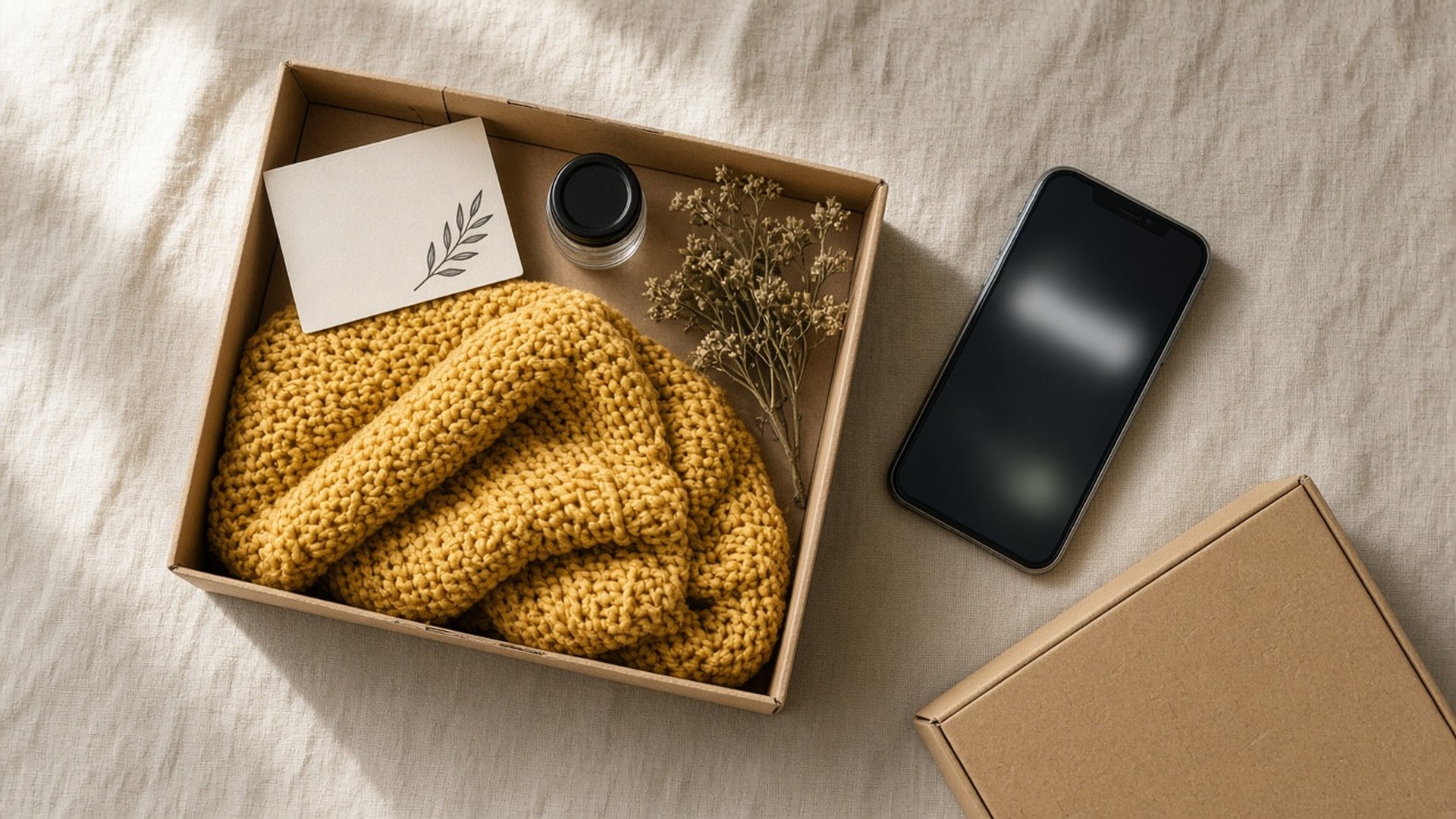
- An insert card in the package with a QR code to join your customer club. A customer who bought through Instagram moves onto your owned channel right here.
And one fixed rule: under resolution 3-270 of Iran's Communications Regulatory Commission, promotional and informational SMS without the subscriber's prior permission is prohibited, and the "لغو ۱۱" (cancel 11) option must be in the message. Collect consent transparently and don't hide the opt-out.
Which metrics show that retention is working?
| Metric | Simple definition | Why it matters |
|---|---|---|
| Second-purchase rate | % of buyers who purchased at least twice | The most important retention metric for small stores |
| Time between purchases | Average days between first and second order | Tells you when to send reminders |
| Churn rate | % of customers with no purchase in a set window (e.g., 120 days) | Early warning |
| Revenue share from returning customers | Repeat-buyer revenue divided by total revenue | How dependent you are on new acquisition |
| Customer lifetime value | Total spend of one customer over the relationship | The ceiling for what you can pay to acquire |
If you only look at one number each month, choose second-purchase rate. A store that lifts it from 15% to 25% has grown without spending a single extra rial on ads.
6 retention journeys every online store needs
- Post-purchase follow-up. Order confirmation, a shipping notice with tracking code, and a few days after delivery a thank-you with a review request. A good first-purchase experience is the foundation of the second.
- Second-purchase nudge. Around your average time between orders (say 20–30 days later), an offer related to the previous purchase. Bought a face cream? Suggest the same brand's sunscreen.
- Replenishment reminder. For consumables like coffee, pet food, or cosmetics, remind people shortly before the product runs out.
- At-risk customers. When someone passes your average purchase interval with no order, send a gentle message, not a heavy discount. Sometimes "new arrivals are in" is enough.
- Win-back for lapsed customers. After, say, 120 days without a purchase, one genuinely valuable, time-limited offer. If it doesn't work, reduce frequency and let them go.
- Loyal (VIP) customers. People who've bought several times should feel seen: earlier sale access, free shipping, or a personal message.
Prepare an "outage mode" in advance
Internet disruptions rarely come with warning. A store with a plan acts on day one:
- Keep a "buyers in the last 90 days" segment ready. These are the people most likely to buy again and should hear from you first.
- Have two or three pre-written SMS templates: "orders are shipping as usual", "you can still order through our site or by phone", and "track your order at this number".
- Define an alternative ordering path, such as phone or SMS orders for past customers.
- Don't blast the whole list. In a crisis, irrelevant messages are more irritating than ever. Send only to relevant segments, with genuinely useful content.
- Review your site hosting. A site on Iranian servers may stay more reachable during some periods of international internet restrictions; assess this with your technical team.
How do you set this up in Leadara?
- Send store events. Use the web SDK or REST API to send
signed_up,product_viewed,product_added_to_cart, andpurchase_completed, with details (amount, product, order ID) in properties, and store the mobile number on the profile withidentify. - Connect your own SMS provider. Connect Kavenegar or Nikaline under providers and send a test message. Texts go out from your own sender line.
- Build retention segments. For example, "
purchase_completedin the last 90 days" for active buyers, and "purchased in the last 365 days" combined with "no purchase in the last 120 days" for at-risk customers. Filters are AND by default; use OR groups when you need "any of these". - Start from ready-made journey templates. Post-purchase, abandoned cart, and win-back templates are built into Leadara; swap in your own message templates and segments. Segment-triggered journeys like win-back enroll new members roughly every hour and skip anyone messaged recently.
- Wait for behavior, not just time. With a "wait for event" node, wait, say, 21 days for
purchase_completed; if it arrives, the customer exits happy, and if not, the next message goes out. - Add an exit rule. Exiting on
purchase_completedmeans someone who just bought won't get a "we miss you" text. - Grow the list several ways. Live chat with required name and mobile, a spin-to-win wheel gated on a phone number (the
game_wonevent can start your welcome journey), and a sign-up popup. - Check results in Run history and the SMS log. If someone didn't get a message, Run history shows where the journey stopped, for example "no phone on profile".
Common customer retention mistakes
- Keeping the entire customer relationship in Instagram DMs and recording no data.
- Offering everyone a discount in every message, which trains customers to wait for discounts.
- Sending the same message to yesterday's buyer and someone who hasn't purchased in a year.
- Collecting numbers without consent, which leads to complaints and a blocked sender line.
- Having no plan for disruption days and making rushed decisions on the day.
FAQ
How is customer retention different from customer acquisition?
Acquisition brings new people to your store; retention brings back people who already bought. Retention is usually cheaper, because you already have the customer's number and history and don't need to pay for visibility.
My store only exists on Instagram. Where do I start?
Start by recording orders in a system you own. Even without a full website yet, store each customer's number and purchase history somewhere that belongs to you, and text them with their consent.
Does SMS work during internet shutdowns?
Receiving SMS doesn't depend on the customer's internet, so the message arrives. But opening any link in it does depend on internet access, so during those days also offer a phone or SMS ordering path.
How often can I text customers without wearing them out?
There's no fixed number, but the rule is that every message should relate to that customer's behavior. Event-triggered messages (post-purchase, abandoned cart) annoy people far less than general blasts. Watch the unsubscribe rate after every send.
What's a good second-purchase rate for an online store?
It depends on the category: higher for consumables, lower for durable goods. More important than comparing with others is the month-over-month trend of your own number.
Does a customer club need points and tiers?
No. To start, recognizing repeat customers and treating them differently (earlier access, personal messages) is enough. Add points and tiers once you have enough data.
Next step
This week, calculate two numbers: your second-purchase rate and the average time between two orders. Then build a "buyers in the last 90 days" segment and launch the post-purchase journey from the ready-made template. Those two simple moves are the foundation for the rest of your retention program.