Canvas vs campaign: multi-step journey vs single message send
Canvas/journey vs single-message campaign: definitions, comparison table, Iran example, FAQ, Leadara mapping.

Sara Moradi
Designs customer journeys and marketing automation campaigns for retention and lower churn.
September 23, 2026 · 7 min read
Also available in فارسی
What is the difference between a Canvas/journey and a campaign?
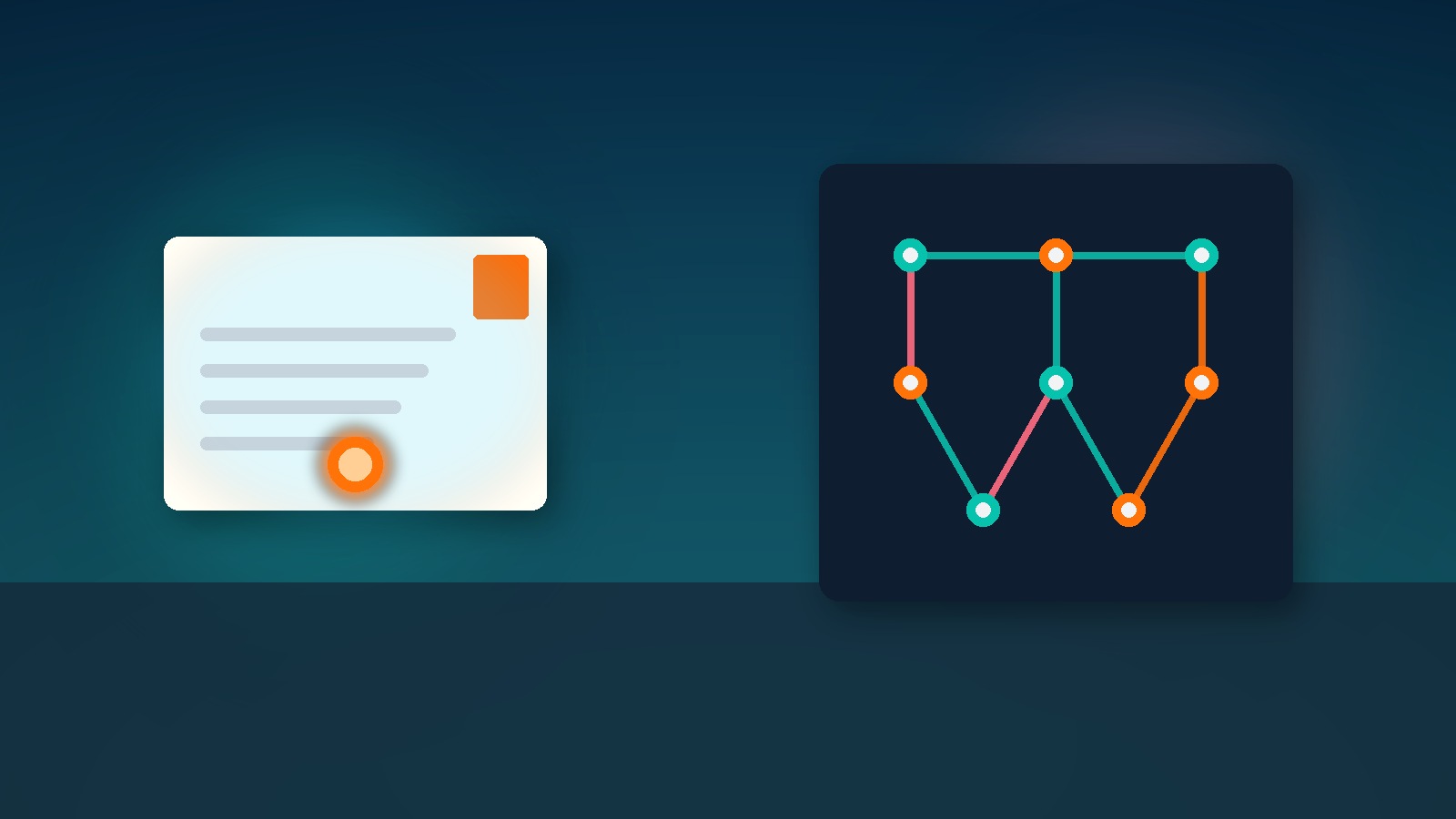
A campaign is one targeted message (or an A/B of that message) to an audience in a single send. A Canvas / multi-step journey is an ongoing path with delays, branches, exit rules, and multiple touches that moves a person over time — not just one blast.
One-line for eCRM teams: campaign = shot; journey/Canvas = path. Both send messages; ownership of time and logic differs.
Many Iranian teams call every Friday blast “automation.” If you send one email or SMS to a segment and stop, it is a campaign. When you wait after cart_updated, branch, set a purchase goal, and only fire the second touch if they still have not bought, you are in Canvas/journey territory.
This pairs with the classic path-vs-blast frame: Marketing journey vs campaign.
How does each one work?
Campaign (single send)
You build an audience with a segment or list, craft the message, set send time (now or scheduled), and fire. A/B usually sits on that same message: two subjects, one shot. After send you get opens and clicks; the next path is separate unless you manually build another campaign.
Canvas / multi-step journey
Entry is an event or an entry segment. Then nodes: delay, condition, email, SMS, branch, exit goal. A person may stay on the path for days. Branches split on behavior (bought / not, opened / not). Exit rules and goals stop messages after conversion.
| Dimension | Single-message campaign | Canvas / journey |
|---|---|---|
| Unit of work | One shot to an audience | Multi-touch path per person |
| Time | Brand send clock | Delays + behavior signals |
| Branching | Usually message A/B | Mid-path behavior branches |
| Exit | Send completes | Goal / exit rule |
| Risk | Repeated blasts with no memory | Complexity without path metrics |
| Right home | Announcements, sales, news | Cart, welcome, winback |
Iran example: home-appliances shop
A home brand runs Friday “vacuum sale” as one email + one SMS to “home interest.” That is a campaign — correct for an announcement. The same team also sends one fixed SMS two hours after cart abandon and calls it a “journey.” Buyer builds cart at 10:00, purchases at 10:40, still gets the 12:05 SMS. The bug is not naming; it is using a shot where a path belongs.
Diagnosis
| Problem | Effect |
|---|---|
| Blast without purchase goal on cart path | Message after conversion |
| One SMS = “full journey” | Channel fatigue without nurture |
| Sale campaign on people inside a sensitive journey | Touch collision |
| No suppress segment | Noisy conversion reporting |
Practical fix
- Keep Friday sale as a campaign — shots fit announcements.
- Make cart a journey: enter on
cart_updated, wait, email, purchase branch, SMS only with consent. - Suppress people inside the cart journey from the same-SKU sale blast.
- Path goal:
order_completed. - Judge journeys apart from campaign CTR: time-to-convert, goal exit rate.
See also Journey vs realtime event campaign.
When campaign, when Canvas?
- One news flash or discount code for a whole segment? → Campaign.
- Behavior starts the story and you need multi-touch conditions? → Journey.
- A/B only on email subject? → Campaign is usually enough.
- Need a mid-path “bought / not” branch? → Journey.
- Is the entry event in the Leadara catalog?
Leadara mapping: events, segments, journeys, email/SMS
Leadara runs on events, segments, journeys, email, and SMS. Braze-style Canvas maps to journeys here:
- Events:
cart_updated,checkout_started,order_completed,email_opened— entry and branch signals. - Journeys: delays, conditions, multi-channel, exit goals — the practical Canvas equivalent.
- Segments: nurture entry or suppress for the week’s blast.
- Email/SMS campaigns: announcement shots; use suppress segments to avoid colliding with journeys.
- Goal + guard: purchase closes the path so the next shot stops meaning something.
If the path must change mid-flight, see also Adaptive journey vs rule-based journey.
Common mistakes
- Calling every blast a “journey” or “Canvas”
- Journeys without an exit goal on revenue paths
- Sale campaigns on people inside a cart wait with no suppress
- Judging journeys only by campaign open rate
- Building 15 branches before you have 3 clean events
FAQ
What is the difference between Canvas and a campaign?
A campaign is one targeted shot; a Canvas/journey is a multi-step path with delays, branches, and exits.
Is campaign A/B the same as a journey branch?
No. A/B is usually two versions of one message in one send; a journey branch is a mid-path behavior decision.
For a welcome series, campaign or journey?
Welcome series are usually journeys (spacing + exit on purchase). Campaigns fit one-off announcements.
Does Leadara have a named Canvas feature?
You compose Canvas logic with journeys, events, segments, and email/SMS channels.
How do SMS campaigns and SMS journeys stay apart?
Suppress segments and frequency caps; keep people in sensitive journeys out of same-day blasts.
What is the right journey metric?
Time-to-convert, goal exit rate, STOP, revenue per recipient — not send count alone.
When is campaign enough?
News, limited sales, one-time notice to a stable segment — no path memory needed.
Bottom line and next step
Campaign = shot; journey/Canvas = path. This week, turn one cart blast into a journey with a purchase goal and keep the sale blast as a campaign — then judge by time-to-convert, not “how many SMS went out.”
14-day test pattern
Days 1–2: lock cart and purchase events.
Days 3–5: cart journey with 10% holdout.
Days 6–10: suppress sale blasts for journey members.
Days 11–14: compare time-to-convert and post-purchase messages vs shot-only.
| Version | Model | Exit |
|---|---|---|
| A | One fixed SMS | Campaign end |
| B | Multi-touch journey | Purchase goal |
If B zeroes post-purchase messages and cuts time-to-convert, make it the standard.
Team language: shot or path?
In standup, if someone says “cart campaign,” ask: one send, or a path with delays and a goal? “One SMS” means campaign. “Multi-touch with purchase exit” means journey.
| Say | Means |
|---|---|
| Campaign / blast / shot | One send to an audience |
| Journey / Canvas / path | Steps + branches + exit |
| Friday schedule | Brand calendar clock |
Go-live checklist
- Entry and purchase events named in the catalog?
- Exit goal on revenue journeys?
- Suppress segment for campaign collision?
- Separate SMS consent?
- Holdout to measure the path?
- Dashboard: entries, goal, STOP, RPR?
Without item 6, “we shipped Canvas” is standup fiction.
Boundary with realtime event campaigns
Do not confuse a journey with “fire one message the moment the event hits.” A realtime shot after purchase or signup can be an event campaign; a multi-day path with delays and branches is a journey. If you only send one immediate SMS after order_completed, that is an event campaign — not Canvas.
Teams that call every webhook a “journey” later break reporting: they cannot tell which touch belonged to a path and which was a separate shot.
Healthy shot/path separation signals
| Signal | Means |
|---|---|
| Post-purchase messages on cart path ≈ 0 | Goal works |
| Sale blasts on sensitive journey members dropped | Suppress is alive |
| Campaign CTR reported apart from journey goal rate | Metrics not mashed |
| STOP flat after adding a second touch | Frequency controlled |
30-minute whiteboard drill
Draw two columns: shot and path. Drop every current automation into one. If more than half of “cart” and “welcome” sit under shot, promote those this sprint to journeys. Keep sales and newsletters in the shot column on purpose so “everything is Canvas” does not creep in.