Personalization vs segmentation: who gets the message vs what they see
Personalization vs segmentation in email: WHO vs WHAT table, Iran perfume-shop vignette, checklist, Leadara mapping, FAQ.

Niloofar Karimi
Product positioning, messaging, and content for product growth—aligned with product and sales.
September 18, 2026 · 7 min read
Also available in فارسی
What is the difference between personalization and segmentation?
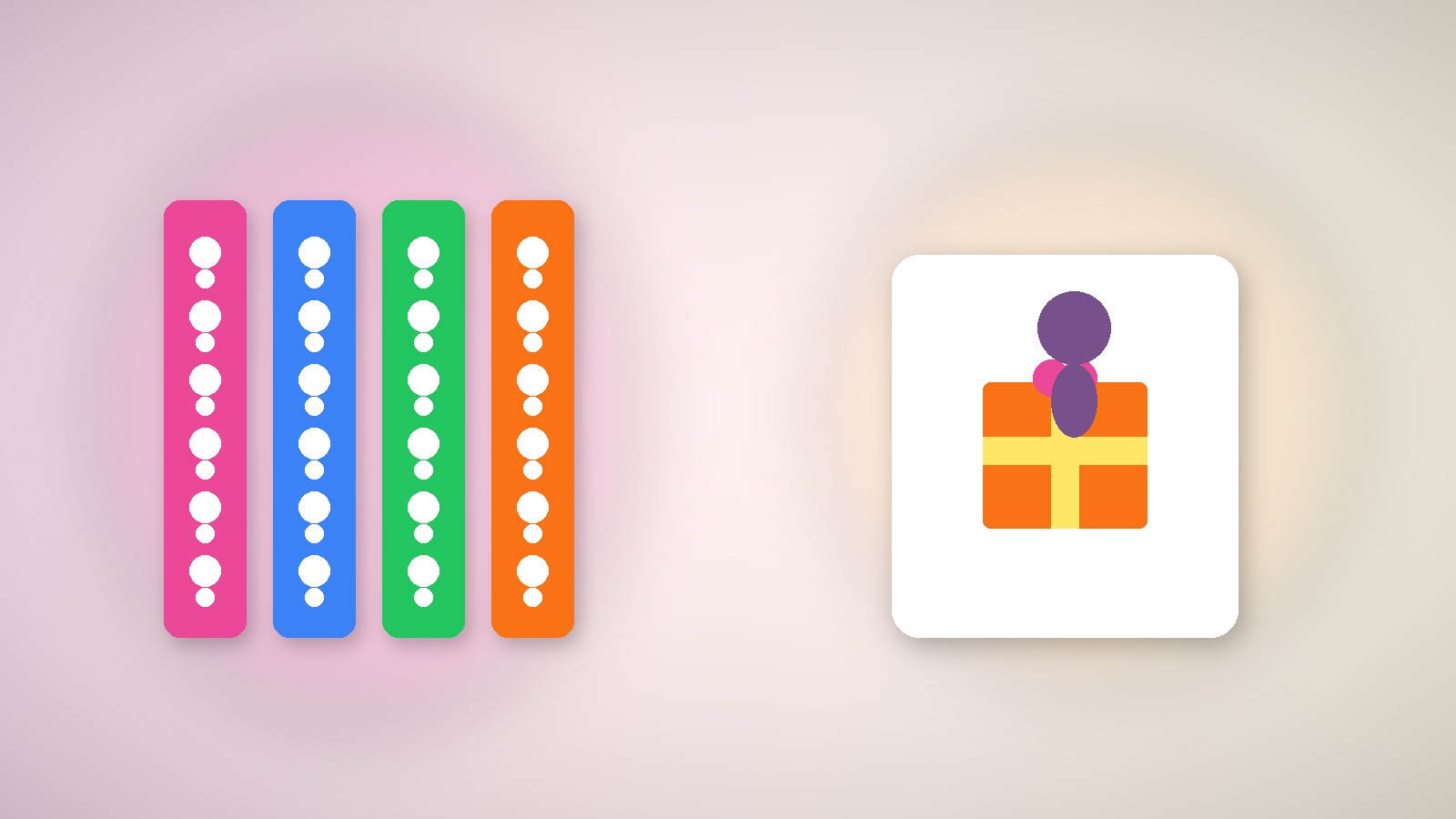
Segmentation decides WHO is eligible for a send (shared conditions). Personalization customizes WHAT each recipient sees inside the message (name, products, blocks, offers) once they qualify.
One-liner: segment = WHO; personalize = WHAT. “Hi {{name}}” alone is not a segmentation strategy.
Iranian teams often take the full subscriber list, merge the name, and call it full personalization. Opens tick up; VIP and one-time buyers still see one offer because WHO was never separated from WHAT.
For customer segmentation basics, see Customer segmentation in marketing.
How does each one work?
Segmentation (WHO)
Shared conditions on the person or behavior: active 90 days, high RFM, city, email consent, “cart abandoned in 7 days.” Output is an eligible set. A segment can feed a campaign or trigger journey entry.
Personalization (WHAT)
After eligibility, message content changes: name, last viewed SKU, dynamic blocks, tier discount, language. Without a correct segment, personalization on the wrong audience is pretty and ineffective.
Review RFM as a classic segment: What is RFM segmentation.
WHO vs WHAT table
| Dimension | Segmentation | Personalization |
|---|---|---|
| Question | Who gets the message? | What do they see? |
| Unit | Eligible set | Each recipient inside the message |
| Example | Active 90d + email consent | “Last viewed category” block |
| Common failure | Wide “everyone” segment | Only {{name}} with no signal |
| Metric | Segment conversion / cost | RPR, dynamic-block CTR |
| Leadara home | Entry filter/segment | Event properties + dynamic blocks |
Iran example: perfume shop stuck on “Hi {{name}}”
“Rayehe” emails the whole list weekly: Hi {{name}}, 20% on everything. Opens improve ~2 points. VIP buyers and cheap one-time buyers still see one offer. Abandoned carts get the same generic script.
Fix
- WHO segments: Engaged 90d, VIP (high RFM), Cart abandoners 7d, New 7d — separate.
- WHAT inside each: VIP → no wide discount, early access; Cart → cart SKU; New → welcome without heavy promo.
- Measure: RPR and cart conversion — not opens-with-name alone.
Checklist: WHO first or WHAT first?
- Should the wrong person never get this message? → Segment/guard first.
- Is the audience right but the offer wrong? → Personalize inside the message.
- Is it only name-merge on “everyone”? → You still lack a strategy.
- Is channel consent inside the WHO condition?
- Do sensitive segments (cart) suppress the public blast?
Leadara mapping
In Leadara language:
- Segment/filter = WHO guard on campaign or journey entry.
- Event and profile properties = fuel for WHAT inside email/SMS.
- Journeys = touch order when WHO changes (e.g. exit after purchase).
- Email/SMS = channels; separate consent each.
MA frame: What is marketing automation.
Common mistakes
- Equating name merge with full personalization
- “All subscribers” segment for every blast
- One WHAT for VIP and newcomer
- Forgetting suppress between cart segment and weekly blast
- Judging success only by open rate
FAQ
What is the difference between personalization and segmentation?
Segmentation chooses WHO; personalization customizes WHAT inside the message for those who qualify.
Does a segment choose what people see?
No. The segment builds eligibility; content/blocks build WHAT.
Can you personalize without a segment?
Technically yes, but on the wrong audience you burn cost and trust.
Is {{name}} enough?
For courtesy, yes; for sales strategy, usually no — you need behavior signals and customer tier.
Can a segment trigger a journey?
Yes; entered-segment is a common trigger — separate from WHAT inside the message.
Which metric beats opens for personalization?
RPR, path conversion, dynamic-block CTR, STOP.
Does Leadara have a named hyper-personalization feature?
You compose logic with segments, events, journeys, and dynamic channel content.
Bottom line and next step
Segment = who; personalize = what. This week, split one “everyone + name” blast into two segments with distinct WHAT and compare RPR.
One-field-first pattern
Before ten form fields, activate one property (e.g. gift vs self). That field powers the welcome split. Unused fields create zero lift.
Side-by-side: same segment with and without personalization
You built cart_abandoned_7d (correct WHO). Two reminder emails:
| Version | WHAT | Typical result |
|---|---|---|
| A | “Your cart is waiting + flat 20%” | Opens; margin burns |
| B | Cart SKU + image + deep checkout link, no blanket discount | Higher conversion with less discount |
The segment is identical; personalization changes the outcome. If WHO is wrong (yesterday’s buyers still inside), even version B hurts — fix the purchase-exit guard first.
Combined failure table
| WHO | WHAT | Effect |
|---|---|---|
| Wide (everyone) | Name only | Polite noise |
| Correct (cart) | Flat discount | Conversion with margin burn |
| Correct (VIP) | Newcomer offer | Trust damage |
| Correct + purchase exit | Cart SKU | Healthy pattern |
| Correct | No channel consent | STOP and complaints |
7-day practical pattern for a two-person team
Day 1: pick one “everyone + name” blast and baseline RPR.
Day 2: build three segments — Engaged, Cart7, New7.
Day 3: write SKU-based WHAT for Cart7.
Day 4: suppress the public blast on Cart7 and New7.
Days 5–7: 10% holdout on Cart7; compare RPR and STOP to the prior blast.
Boundary with live segments vs static lists
Lists are often consent containers; segments are live WHO conditions. Personalizing a stale list without refreshing conditions repeats yesterday’s blast with a prettier name. In Leadara, bind segment conditions to events and state, then read WHAT from those event properties.
Separate metrics for WHO and WHAT
| Question | Metric |
|---|---|
| Did we cut WHO correctly? | Segment conversion vs holdout, cost per outcome |
| Did WHAT help? | Dynamic-block CTR, RPR inside the same segment |
| Did we tire the channel? | STOP, complaints, frequency caps |
Standup rule: say whether you changed WHO or WHAT — otherwise open-rate debates are meaningless.
Four WHAT patterns that work for Iranian shops
- Cart SKU / last browse: for abandon or browse paths; deep links beat blanket discounts.
- RFM tier: VIP without public coupons; at-risk with a bounded return offer; newcomers with education not a fire sale.
- Gift vs self-purchase: if you asked on a form or in DM, split welcome — tone and offer change.
- Channel preference: email-only contacts do not get SMS; channel WHAT is part of respect.
Every pattern still needs WHO first. Without a VIP segment, a “VIP offer” is only a label on an everyone blast.
Forbidden lines in the content brief
- “Personalized for everyone” when only the name is merged
- “Smart segment” when the condition is all unverified subscribers
- Forced EN+FA title mashups for SEO
- Buzzword chains with no event example
Before publish, read the Persian aloud. If it sounds machine-translated, rewrite.
Consent and suppress as part of WHO
A segment without channel consent is incomplete WHO. Email-only contacts must not enter promo SMS segments — even with great RFM. Likewise, members of a live cart journey should suppress from the same-week public blast; otherwise pretty WHAT sits on channel noise.
| Guard | Why |
|---|---|
| Separate email / SMS consent | Law and trust |
| Exclude purchases in last 24h | Stop promo-after-purchase |
| Exclude people inside sensitive journeys | Stop double-touch |
| Cap 2 promos / 7 days | List fatigue |
These guards are segmentation, not an “advanced personalization feature.”
Related reading
- Customer segmentation in marketing — WHO basics
- What is RFM segmentation — classic value segment
- What is marketing automation — system frame