Onboarding priority vs promotional nurture: which workflow wins when both fire
Onboarding vs promotional nurture priority: ladder, suppress segment, Iran example, FAQ, Leadara mapping.

Amir Hosseini
Runs email, SMS, and push campaigns for acquisition, retention, and reactivation.
September 23, 2026 · 7 min read
Also available in فارسی
When onboarding and promotional nurture both fire, which wins?
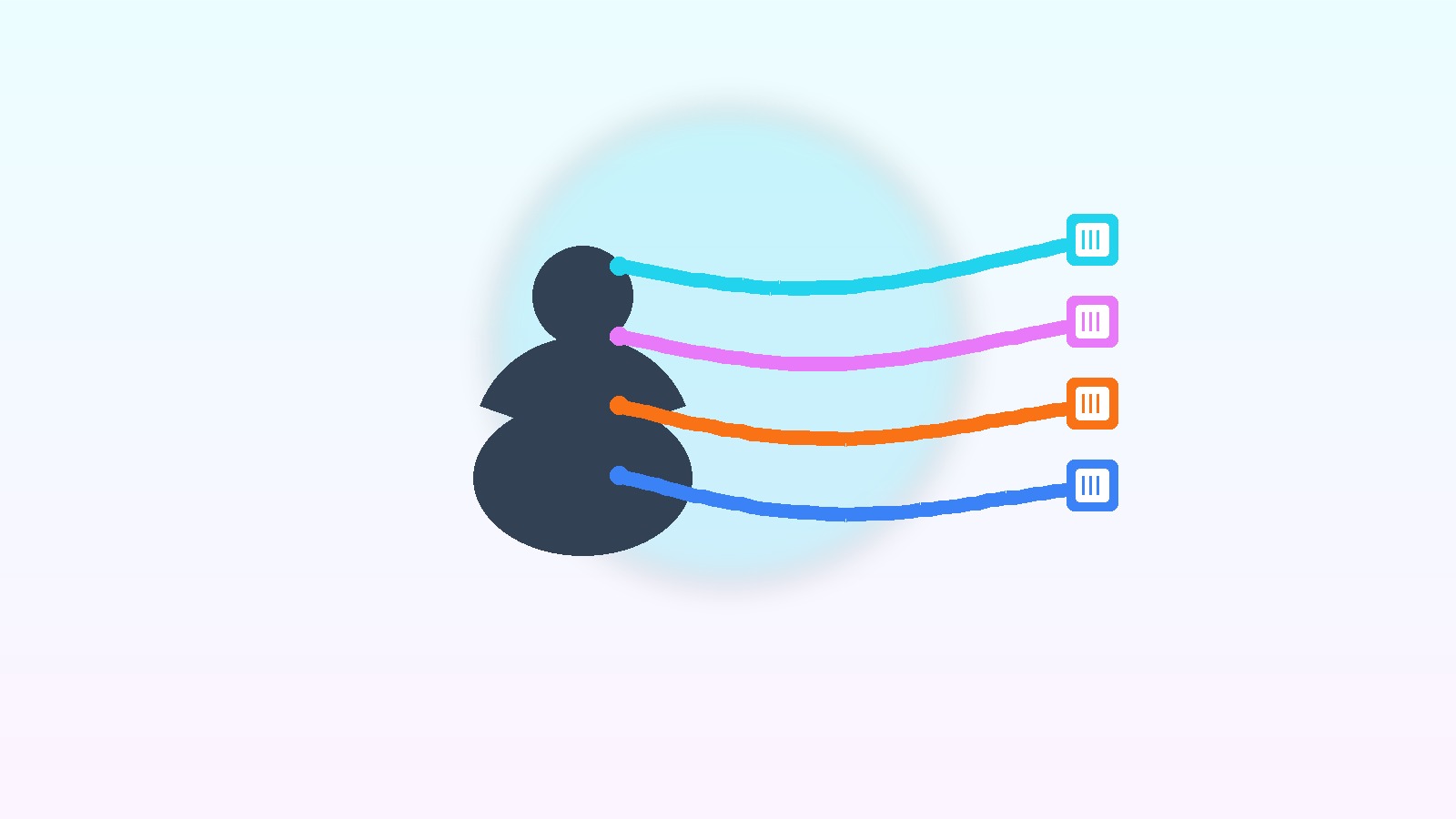
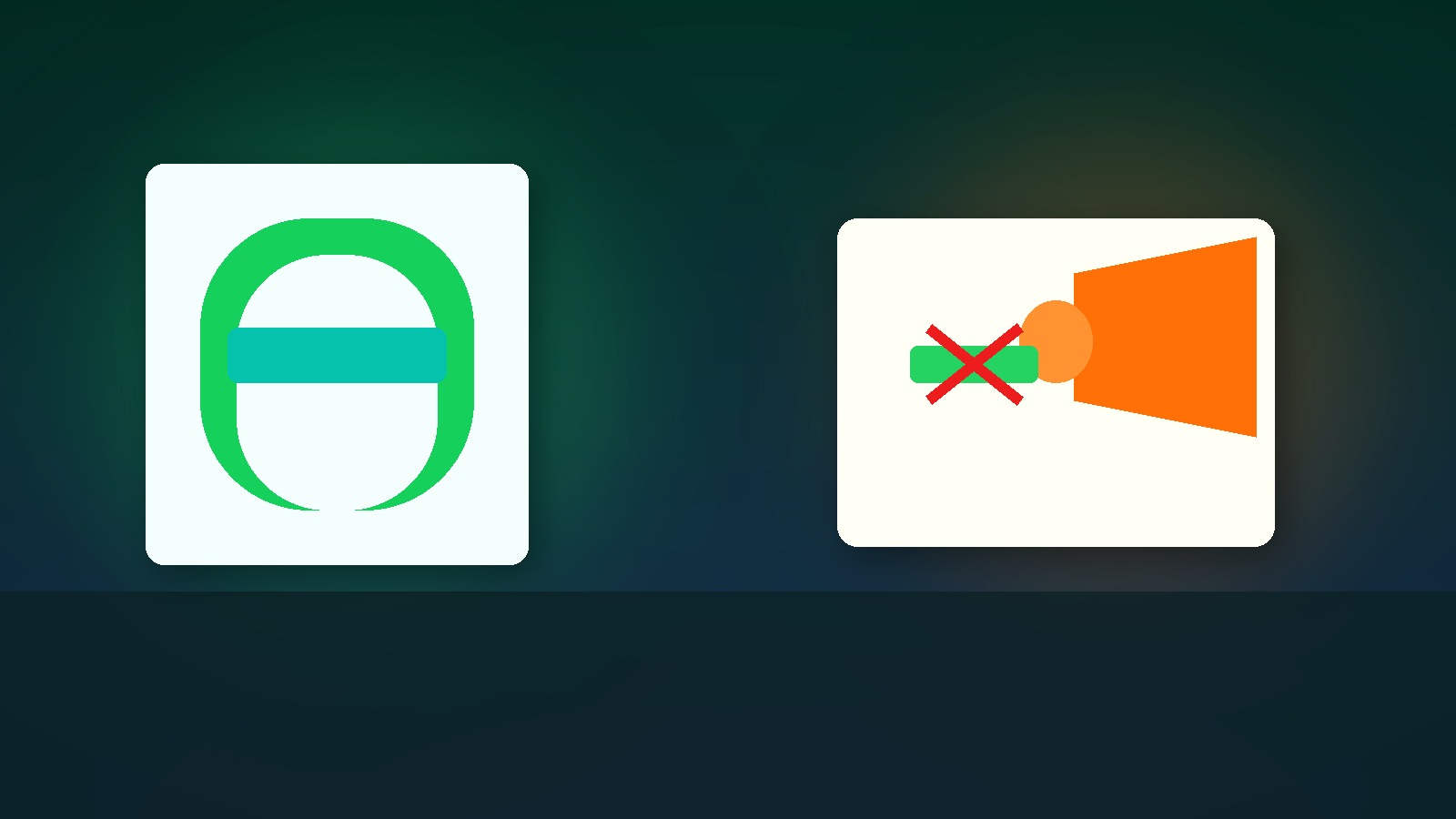
Onboarding / welcome should take precedence over promotional nurture and sale blasts: enroll from new-subscriber or new-customer segments, suppress or pause promo workflows during onboarding, then release the contact when the welcome goal completes or the series times out.
One-line for eCRM teams: onboarding = priority path; promo = cheaper shot. When both triggers hit, you write a priority guard — you do not “send both.”
Iranian Instagram sellers often fire “welcome” and “30% Friday off” on the same signup day. Result: the first message is unread, STOP rises, and the trust-building welcome series is buried under a blast. See also path vs shot in Marketing journey vs campaign.
Practical priority ladder
| Rank | Flow type | Example | On conflict |
|---|---|---|---|
| 1 | Transactional / security | Password, receipt, tracking code | Never pause |
| 2 | Onboarding / welcome | 3–5 touch series after signup or first order | Block promo and general nurture |
| 3 | High intent (cart, demo) | Abandoned cart, demo request | Space from welcome; short mutual suppress |
| 4 | Lifecycle nurture | Product education, stage content | Below onboarding |
| 5 | Promo / blast | Friday sale, general discount code | Lowest; exclude onboarding members |
How does each one work?
Priority onboarding
Entry on signed_up or first_order or a “new subscriber ≤7 days” segment. Multi-touch path with delays, an exit goal (e.g. profile_completed or order_completed), and a suppress segment that blocks promo blasts until goal or timeout (e.g. 14 days).
Promotional nurture
Entry from interest segments or a weekly schedule. Messages are offers and discounts. Without a guard, the same person gets day-2 welcome and a sale blast together.
| Dimension | Onboarding | Promo nurture |
|---|---|---|
| Goal | Activation / trust | Short-term revenue |
| Time | Sensitive first window | Brand calendar |
| Exit | Activation goal | Campaign end or unsubscribe |
| Risk without priority | Buried under blasts | STOP and distrust |
| Right home | First 14 days | After release |
Iran example: online cosmetics shop
A customer signs up Monday. Welcome journey has three emails + one consented SMS. The same week the team blasts “Yalda sale” to all “beauty interest” — including 0–7 day subscribers. On day 3 the new subscriber gets both “how to order” and “50% off now.” The education email is ignored; the discount feels untrustworthy.
Diagnosis
| Problem | Effect |
|---|---|
No in_onboarding segment | Blasts hit everyone |
| Welcome without exit goal | People stay suppressed forever |
| Priority only on slides | Operators still fire blasts manually |
| Welcome SMS + sale SMS same day | STOP |
Practical fix
- Live segment
in_onboarding = truefor welcome journey members. - Exclude that segment from every promo campaign.
- Exit goal: profile complete or first purchase or day 14.
- After exit, enter general nurture or sale segments — not both at once.
- Keep 24–48 hours between last welcome touch and first promo.
For welcome series structure, see Welcome email/SMS series.
When does onboarding win?
- Signup or first purchase in the last 14 days? → Onboarding.
- Only sending a general discount code? → Promo, but exclude onboarding.
- Abandoned cart mid-welcome? → High intent; one cart touch OK, sale blast not.
- Winback for cold users? → Separate from brand-new welcome; see Re-engagement vs winback.
- Is SMS consent stored separately from email?
Leadara mapping: events, segments, journeys, email/SMS
- Events:
signed_up,first_order,profile_completed,order_completed— entry and goal. - Welcome journey: delays, email, consented SMS, exit goal.
in_onboardingsegment: suppress input for promo campaigns and general nurture.- Promo campaigns: shots with mandatory onboarding exclude.
- Goal + guard: welcome end clears the segment so people release; 14-day timeout prevents eternal suppress.
Common mistakes
- Welcome and sale the same day
- Suppress without timeout
- Calling Friday blast “nurture”
- No goal on welcome
- Priority only as tribal knowledge between teams
FAQ
Must promo always fully stop?
For general blasts during the welcome window, yes. One high-intent cart touch can be an exception if spacing and consent hold.
Ideal welcome length?
3–5 touches over 7–14 days for most Iranian shops; then release to nurture.
If someone buys mid-welcome?
Purchase goal should close the path or jump to post-purchase; still wait a short gap before promo.
Is educational nurture the same as promo?
No. Stage content sits under onboarding but above sale blasts; keep it light while in_onboarding is true.
How do we know priority works?
Welcome completion rate, STOP in the first 14 days, and % of onboarding members inside promo blasts (should be ≈ 0).
Does Leadara have a separate “priority” button?
You build priority with suppress segments + journey order; the team contract matters more than a feature name.
Blast a sale right after welcome ends?
Keep at least one gap and one value touch; jumping straight to a heavy discount burns trust.
Bottom line and next step
Onboarding beats promo when both fire. This week, build in_onboarding, exclude it from every blast, add goal + timeout — then watch week-one STOP, not only sale CTR.
14-day test pattern
Days 1–2: signup event and onboarding segment.
Days 3–5: welcome with goal and timeout.
Days 6–10: exclude on two real blasts.
Days 11–14: compare STOP and welcome completion vs prior week.
| Version | Model | Promo blast |
|---|---|---|
| A | No exclude | All subscribers |
| B | Exclude in_onboarding | Released only |
If B cuts STOP and raises welcome completion, make it standard.
Team language: path first or shot first?
If someone says “send the code today to new signups,” ask: are they still in welcome? If yes, path first; shot after release.
| Say | Means |
|---|---|
| Onboarding / welcome | Priority-2 path |
| Promo / blast | Rank-5 shot |
in_onboarding | Suppress guard |
| Timeout | Forced end of suppress |
Go-live checklist
- Live onboarding segment?
- Exclude on all promos?
- Goal + timeout?
- Gap after exit?
- Separate SMS consent?
- Dashboard: welcome completion, 14-day STOP, blast leakage into onboarding?
Boundary with transactional and cart
Receipts and tracking codes never sit behind onboarding priority. Abandoned cart can take one touch mid-welcome; a sale blast cannot. Say the difference out loud in standup so operators do not mix them.
Healthy priority signals
| Signal | Means |
|---|---|
| Blast leakage into onboarding ≈ 0 | Exclude is alive |
| Median days to welcome completion stable | Path finishes |
| Week-one STOP lower than blast-first era | Priority works |
| Sales pushes “day-one discount” less | Culture contract stuck |
30-minute whiteboard drill
Place every live flow on the 1–5 ladder. Mark every conflict with a suppress arrow. If more than one rank-2 flow lacks a timeout, fix that this sprint.
Related reading
Operator runbook: the Friday blast checklist
Before any promo blast leaves the building, the operator answers four yes/no questions on a sticky note next to the send button:
- Does the audience exclude
in_onboarding? - Is transactional traffic untouched by this suppress?
- Is there at least a 24-hour gap since each recipient’s last welcome touch (or are they already released)?
- If SMS is included, is consent checked separately from email?
If any answer is no, the blast waits. This runbook is boring on purpose. Boring runbooks beat clever exceptions when three people can hit send. Paste the four questions into the campaign brief template so “we forgot exclude” stops being a postmortem surprise.
Also log one line after send: blast name, audience size, onboarding excluded count, channel mix. That line is what you compare against STOP the next morning — not vibes from the creative Slack thread.
When onboarding and a high-intent cart touch collide, allow one cart SMS only if (a) consent exists, (b) the person is past welcome email #1, and (c) the cart touch is logged as an exception in the weekly review. Everything else waits for release from in_onboarding.