Marketing automation vs scheduling: react to events vs pick a clock time
Marketing automation vs scheduling: triggers, timing table, Iran Friday SMS vignette, migrate-one-blast checklist, Leadara events/journeys mapping.

Sara Moradi
Designs customer journeys and marketing automation campaigns for retention and lower churn.
September 18, 2026 · 7 min read
Also available in فارسی
What is the difference between marketing automation and scheduling?
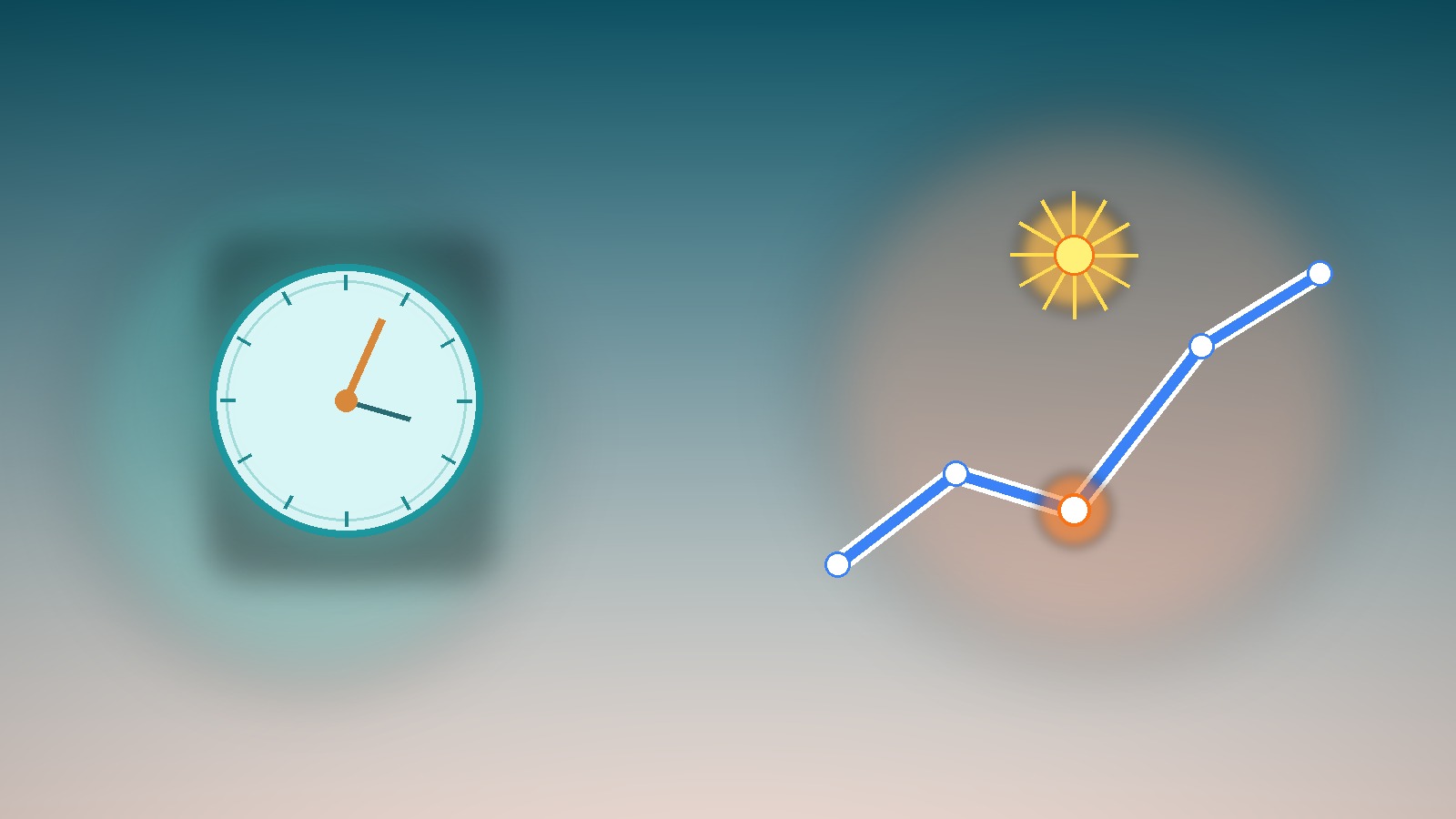
Scheduling picks a clock time and blasts a list or segment. Marketing automation runs workflows that start, branch, and stop based on customer events and conditions — without a human pressing Send each time.
One-line answer for eCRM teams: scheduling = brand calendar; automation = react to behavior. You need both — the mistake is calling a Friday SMS panel blast “automation.”
Many Iranian growth teams buy an email/SMS panel, schedule a discount every Friday at 11:00, and believe they have automation. Opens exist; abandoned carts the same day get no personal reminder; new subscribers eat the wide blast in week one.
For the journey vs campaign frame, see Marketing journey vs campaign.
How does each one work?
Scheduling
The trigger is usually the team calendar: Friday promo, Yalda, collection launch, monthly newsletter. Audience is already in a list/segment, creative is prepared once, and everyone eligible is hit at a fixed hour. Personalization is often light. Metrics: campaign open/click/sales and send cost.
Marketing automation
The trigger is an event or state change: signup, cart_updated without purchase, order_completed, 30 days quiet. The contact enters a path, waits, branches (email or SMS), and exits on a goal. Personalization comes from the same signal. Primary metric: path conversion and time-to-convert — not opens alone.
Automation can include time delays (wait 2 hours after cart). That wait is still automation because the start point was customer behavior, not the brand clock. Base definition: What is marketing automation.
Comparison table: who decides timing?
| Dimension | Scheduling | Marketing automation |
|---|---|---|
| Trigger | Calendar hour / team decision | Customer event or state |
| Send start | All eligibles at once | Each person when their condition hits |
| Branching | Usually one script for all | Waits, conditions, channel splits |
| Exit | Campaign ends | Purchase, path goal, expiry |
| Logic owner | Content calendar | Event catalog + guards |
| Main risk | List fatigue from wide blasts | Noise if every low-value event fires |
| Right home | Launch, occasion, brand-wide news | Welcome, cart, winback, post-purchase |
Simple rule: if you would send the same message with no customer behavior, it is scheduling. If the send is meaningless without that signal, it is automation.
Iran example: “Friday 11:00 SMS panel”
An online beauty shop in Tehran blasts 20% off every Friday at 11:00 from an SMS panel and calls it automation in standup. The same day, dozens of carts abandon with no personal reminder. VIPs and one-time buyers get one script. Someone who bought at 10:50 still gets the 11:00 discount.
Diagnosis
| Problem | Effect |
|---|---|
| Automation label on a calendar blast | Team thinks the system is complete |
| All conversation in one Friday shot | Cart and welcome ignored |
| No purchase exit | Promo still arrives after they bought |
| Mixed channel consent | SMS to email-only contacts |
Practical fix
- Keep one blast: seasonal launch or Yalda only — narrower segment (active 90 days + same-channel consent).
- Replace generic Friday with a cart journey:
cart_updated→ wait 2h → reminder email → wait 22h → short SMS only if SMS-consented and still no purchase → exit onorder_completed. - Separate welcome with week-one blast suppress for new subscribers.
- Frequency caps: max 2 promo messages in 7 days; suppress same-week blasts for anyone inside the cart journey.
For SMS flow vs SMS campaign, see SMS flow vs SMS campaign.
Judge success by cart conversion, STOP, and revenue per recipient — not by “successful Friday sends.”
Checklist: when to schedule, when to automate
- Is the message meaningful without a customer signal? → Schedule/campaign.
- Is the send meaningless without that event? → Automate.
- Do you have a purchase/goal exit? If not, the path is incomplete.
- Is there mutual suppress between live journeys and the week’s blast?
- Is channel consent checked separately?
- Are path metrics reported apart from vanity opens?
- Are you confusing journey waits with the brand calendar clock?
Leadara mapping: events, segments, journeys, email/SMS
Leadara runs on events, segments, journeys, email, and SMS. There is no separate “scheduling engine” vs “automation engine”:
- Events: signup,
cart_updated,order_completed, category browse — wire journeys only to events worth messaging. - Scheduled campaign segments: active 90 days, channel consent, exclude people inside sensitive journeys.
- Automation journeys: event entry, waits, email/SMS branches, purchase exits (goal + guard).
- Calendar campaigns: occasions and launches; mutual suppress against live journeys.
- Channel frequency caps so scheduling and automation do not choke the same person.
Common mistakes
- Calling every scheduled blast “automation”
- Killing the whole calendar before journeys are ready
- Treating a journey wait as a brand-clock send without a behavior trigger
- No suppress between cart journey and Friday blast
- Judging automation only by opens or send counts
Which metrics separate scheduling from automation?
| Metric | Scheduling | Automation |
|---|---|---|
| Campaign open/click | Primary | Secondary |
| Same-journey conversion | Usually irrelevant | Primary |
| Time-to-convert after event | — | Critical |
| Unsubscribe / STOP | Important | Important |
| Revenue per recipient | Useful | Useful |
Team rule: no automation journey counts as “done” without a path-conversion dashboard.
FAQ
What is the difference between marketing automation and scheduling a campaign?
Scheduling fires at a calendar hour to a pre-built audience; automation starts on an event/condition and walks a path to a goal.
Can automation include time delays?
Yes. A wait after an event is still automation; the start point is behavior, not the brand calendar.
Should we delete all blasts?
No. Launches and occasions stay as campaigns; behavioral paths belong in automation.
Is a scheduled SMS panel send automation?
If the only trigger is “Friday,” no — that is scheduling. If cart_abandoned starts it, that is automation.
How many journeys before we thin the calendar?
Welcome + cart + one quiet/winback path is usually a healthy start.
How do we leave vanity metrics behind?
Track path conversion, RPR, STOP, and send cost — not opens alone.
Does Leadara have a named scheduling engine?
You compose logic with events, segments, journeys, and channels; calendar campaigns and event journeys sit on the same model.
Bottom line and next step
Scheduling = clock time; marketing automation = react to events with goals and guards. This month, replace one high-volume blast with an event-driven journey, lock mutual suppressions, and judge by conversion — not by a busier calendar.
30-day migration for a two-person team
Week 1: pick one blast and baseline STOP, conversion, cost.
Week 2: build a 2-touch cart journey with 10–20% holdout.
Week 3: lock mutual suppress and frequency caps.
Week 4: narrow or delete the next blast and compare path vs calendar reports.
If the team only watches send counts, migration fails. Define the path-conversion dashboard before go-live.
Naming hygiene in Iranian standups
Whenever someone says “automation,” ask: what is the trigger? If the answer is “Friday,” it is a scheduled campaign. If the answer is cart_updated or “entered the quiet segment,” it is automation. Keep the two words on the whiteboard so calendar and path stay separate.
| Say | Means |
|---|---|
| Campaign / blast / schedule | A human picked the clock |
| Automation / journey | An event or live segment created entry |
Iranian occasions (Yalda, Nowruz, Friday bazaars) are calendar peaks, not the only revenue engine. Automation builds ordinary days; do not choke them — lock mutual suppress.
Related reading
- What is marketing automation — system frame
- Marketing journey vs campaign — path structure vs shot
- SMS flow vs SMS campaign — same distinction on SMS