Wait until event vs fixed delay: pause for a signal vs pause for a clock
Wait until event vs fixed delay in journeys: definitions, comparison table, Iran cart vignette, max wait, FAQ, Leadara mapping.

Sara Moradi
Designs customer journeys and marketing automation campaigns for retention and lower churn.
September 23, 2026 · 6 min read
Also available in فارسی
What is the difference between wait-until-event and a fixed delay?
A fixed delay pauses everyone for N hours or days. A wait-until-event delay holds each person until a specific behavior happens while they are waiting — usually with a max wait so they do not stick forever.
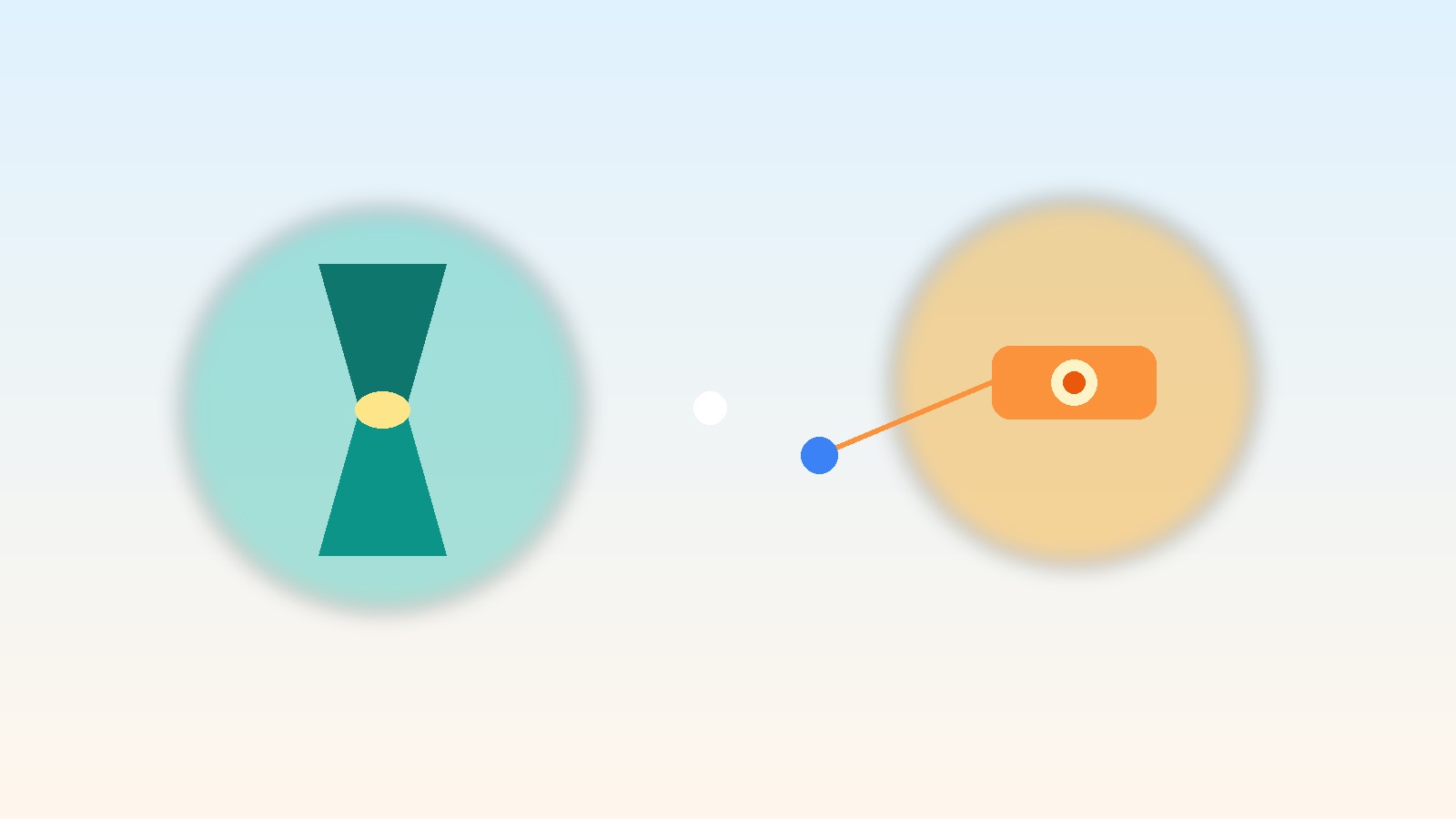
One-line for eCRM teams: fixed delay = shared hourglass; wait-until-event = per-person signal sensor. Both are waits; ownership of time differs.
Many Iranian teams write “wait 2 hours then SMS” after cart_updated. That is a fixed delay. Swap it for “wait until order_completed or checkout_started with a 24h max; on timeout, escalate SMS” and the path gets smarter without confusing the brand calendar.
This pairs with automation vs scheduling: Marketing automation vs scheduling.
How does each one work?
Fixed delay
Entry already happened (e.g. cart abandoned). Everyone waits the same span: 2 hours, 1 day, 3 days. When the span ends, the next step runs — even if they purchased mid-wait unless you have a separate goal. Metric: spacing between touches and path conversion.
Wait until event
After entry, the path locks on a target event: purchase, checkout start, form submit, prior email open. The person advances only if that signal occurs during the wait. An event that happened before entry usually does not clear the wait. A max wait creates a timeout branch: if no signal in 24h, take the “didn’t happen” path.
| Dimension | Fixed delay | Wait until event |
|---|---|---|
| Time owner | Clock for all | Same person’s signal |
| Advance | Span ends | Event during wait |
| Past event | Irrelevant | Usually not enough |
| Ceiling | The span itself | Max wait + timeout branch |
| Risk | Message after purchase | Infinite queue without max |
| Right home | Nurture touch spacing | Waiting on a mid-conversion |
Iran example: fashion-cart flow
An apparel shop always waits 2 hours after cart_updated then SMS “your cart is waiting.” Buyer builds cart at 10:05, purchases at 10:40, still gets the 12:05 SMS. The team blames “broken automation”; it is a fixed delay without a purchase exit.
Diagnosis
| Problem | Effect |
|---|---|
| Fixed wait, no purchase exit | Message after conversion |
| Wait-until without max | Endless queue |
| Assuming past purchase clears wait-until | Wrong mental model |
| Confusing wait with brand calendar | Friday blast instead of path |
Practical fix
- Enter on
cart_updated(no purchase in-session). - Wait until
order_completedorcheckout_startedwith 2h max. - If signal → success exit / thank-you jump.
- If timeout → reminder email; fixed wait 22h; short SMS only with SMS consent.
- Path goal:
order_completedso later touches stop.
See also Journey vs realtime event campaign.
When fixed delay, when wait-until-event?
- Need fixed spacing between nurture touches? → Fixed delay.
- Waiting on a mid-conversion (checkout, demo, payment)? → Wait-until + max.
- Combine: wait-until with ceiling, then fixed delay before the next touch.
- Separate purchase goal? Without it, fixed waits continue after buy.
- Is the target event in the Leadara catalog?
Leadara mapping: events, segments, journeys, email/SMS
Leadara runs on events, segments, journeys, email, and SMS. Hourglass and sensor are two wait types on the same model:
- Events:
cart_updated,checkout_started,order_completed,form_submitted— only signals worth messaging. - Journeys: event entry, fixed waits for touch spacing, wait-until for mid-conversions with max + timeout branch.
- Suppress segments: people inside sensitive waits out of the week’s blast.
- Channels: email for explanation; SMS for post-timeout escalation — separate consent.
- Goal + guard: purchase closes the path so waiting stops meaning something.
Adaptive paths ride the same signals: Adaptive journey vs rule-based journey.
Common mistakes
- Calling every wait “smart” when it is only a fixed clock
- Wait-until without max wait
- Assuming pre-entry events clear wait-until
- No purchase goal on cart paths
- Judging only by SMS send counts, not time-to-convert
FAQ
What is the difference between wait-until-event and a fixed delay?
Fixed delay holds everyone N hours; wait-until holds until a specified signal in that window.
What if they purchased before entry?
In most engines that past purchase does not clear wait-until; the signal must land during the wait — unless a separate goal exits the path.
Should we always set a max wait?
Yes for revenue paths. Without a ceiling, people sit in queue and conversion reporting breaks.
Is a fixed delay after timeout still automation?
Yes; the start point was behavior, not the brand calendar.
How many touches after cart timeout?
Usually one email + one SMS with a frequency cap; more creates fatigue.
Does Leadara have a named smart-delay feature?
You compose it with events, waits, goals, and timeout branches on journeys.
What is the right metric?
Time-to-convert after entry, goal exit rate, STOP, and revenue per recipient — not successful sends alone.
Bottom line and next step
Fixed delay = clock for all; wait-until-event = sensor per person with a ceiling. This week, change one cart journey from “fixed 2h” to “wait until purchase/checkout with 2h max + timeout branch” and judge by time-to-convert.
14-day test pattern
Days 1–2: lock cart and purchase events in the catalog.
Days 3–5: build the journey with 10% holdout.
Days 6–10: enable timeout + SMS.
Days 11–14: compare time-to-convert and STOP vs the old fixed-wait version.
| Version | Wait | Exit |
|---|---|---|
| A | Fixed 2h | Campaign end only |
| B | Until purchase max 2h | Purchase goal + timeout |
If B cuts time-to-convert and zeroes post-purchase messages, make it the team standard.
Team language: hourglass or sensor?
In standup, if someone says “wait two hours,” ask: same for everyone, or until a signal? “Everyone” means fixed delay. “Until purchase or checkout” means wait-until-event. Keep both on the whiteboard so they do not blur into Friday scheduling.
| Say | Means |
|---|---|
| Fixed wait / touch spacing | Shared hourglass |
| Wait until event / sensor | Per-person signal + max |
| Campaign schedule | Brand calendar clock |
Go-live checklist for wait-until
- Is the target event named in the catalog and firing from front/back end?
- Max wait and timeout branch defined?
- Does the purchase goal cut the path even mid later fixed waits?
- Separate SMS consent for escalation?
- Suppress week blasts for people inside sensitive waits?
- 10–20% holdout to measure time-to-convert?
- Dashboard: entries, goal exits, timeouts, STOP, RPR?
Without item 7, “smarter waits” stay standup fiction.
Boundary with campaign scheduling
Do not confuse wait-until-event with “Friday at 11.” Friday is brand scheduling; wait-until-purchase is a behavior sensor. Even with a 24h max, time ownership stays with the customer signal, not the content calendar.
If the team only knows blasts, build a cart journey with a fixed wait first, then upgrade that wait to wait-until. Jumping straight from blasts to sensors without an event catalog fails.
Healthy wait-until signals
| Signal | Means |
|---|---|
| Post-purchase messages ≈ 0 | Goal works |
| Timeout between 20–60% of cart entries | Max is realistic |
| Time-to-convert below fixed-wait version | Sensor has value |
| STOP flat or lower | Escalation is not overdone |